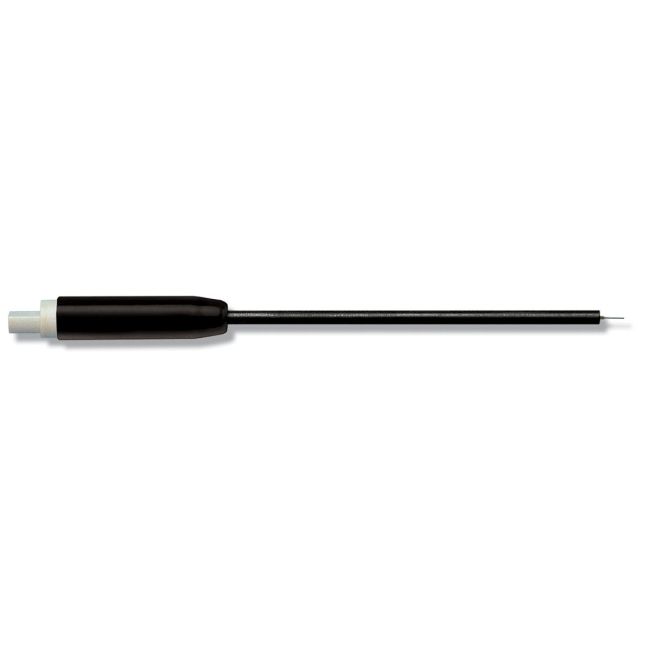
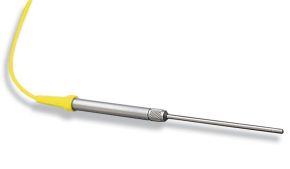
Hydrogen Peroxide Microsensors

The hydrogen peroxide sensors developed by WPI are designed to compliment existing high sensitivity fluorescent approaches with direct quantitative measurement in biological samples in the low nM range.
Direct quantitative measurements of hydrogen peroxide in biological samples
- Incorporated reference electrode
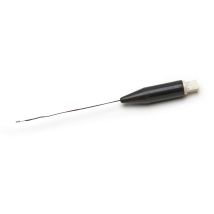
- Non-breakable integrated hydrogen peroxide sensor with tip dimension of 100 µm
- For use with Apollo1000, Apollo4000, TBR4100 and TBR1025
- Requires cable 91580 (sold separate)
- Package of 3
Options
| Order code | Tip Length | Fiber Diameter | Shape | Package Quantity |
| ISO-HPO-100 | 1-5 mm | 100 µm | Straight | pkg. of 3 |
| ISO-HPO-100-LXX | 1-10 mm | 100 µm | L Shape, Customize length | pkg. of 2 |
- Sensor available in 1 mm length increments (for example, 1 mm, 2mm, 3mm...)
- Sensor sensitivity varies with length and diameter.
See the latest Biosensor Data Sheet.
Benefits
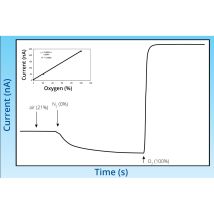
- Response Time: < 5 s (90%)
- Detection Limit: 1 nM - 1 mM
- Drift: < 1.0 pA/min. (< 2 pA/min. for the L-Shaped)
- Sensitivity: 1 pA/nM
Applications
- Tissue/Microvessels detection of HPO
- L-Shaped for tissue bath studies
- Hypodermic for easy insertion into tissue
Despite the recognized importance of this oxidant in biology, real-time measurements at low concentration have been difficult. The hydrogen peroxide sensors developed by WPI are designed to compliment existing high sensitivity fluorescent approaches with direct quantitative measurement in biological samples in the low nM range.
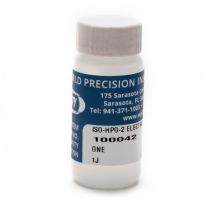
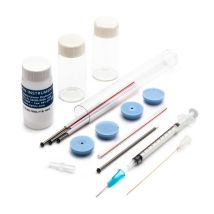
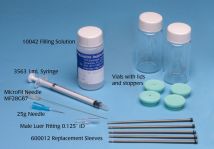
The ISO-HPO-2 is a 2.0 mm stainless steel sensor, with replaceable membrane sleeves (600012) and an internal refillable electrolyte (100042). It is designed for use in cell cultures and similar applications.
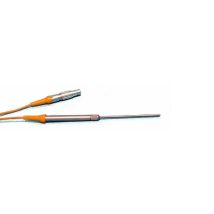
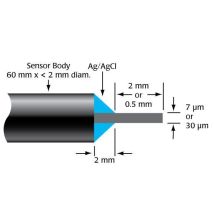
The ISO-HPO-100 is a 100 µm tip diameter hydrogen peroxide micro sensor designed for use in tissues and similar applications. The design is based on a platinum wire sensing electrode coated with a proprietary membrane to enhanceH2O2 detection.
These sensors incorporate WPI’s proprietary combination electrode technology whereby the hydrogen peroxide sensing element and separate reference electrode are encased within a single Faraday-shielded probe design. This design has been shown to enhance performance during measurements and minimizes overall sensor size.
Our hydrogen peroxide (H2O2) sensors work with the TBR4100 and TBR1025 free radical analyzers.
Hydrogen peroxide in biological systems
Hydrogen Peroxide is produced in biological systems by controlled pathways at low concentrations that impact on cell signaling. At higher concentrations inflammatory cells produce local intense amounts of this oxidant to kill pathogens. In the progress of human disease, uncontrolled formation of hydrogen peroxide from the mitochondrial respiratory chain and enzymes, such as xanthine oxidase, can occur (Prof. Victor Darley-Usmar, Univ. of Alabama, personal communication).
Hydrogen peroxide sensor in a hypodermic sheath
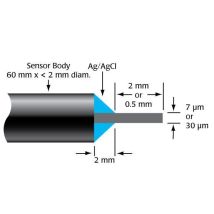
The ISO-HPO-100H is enclosed in a hypodermic needle. The image below shows the needle tip and enclosed sensor as viewed through a microscope.

L-shaped hydrogen peroxide sensor
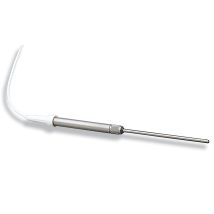
The ISO-HPO-100-L is a unique L-shaped nitric oxide sensor designed specifically for use in tissue bath studies and similar applications (e.g., see WPI's MYOBATH). The shape of the sensor has been engineered to facilitate placement of the electrode within the lumen of the tissue vessel under study.

| SKU | VAR-2962 |
|---|
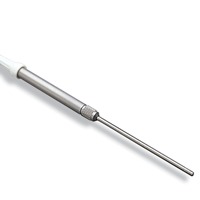
| ISO-HPO-100 | ISO-HPO-100 H |
| APPLICATION | Tissue/Microvessels | Hypodermic Sheath |
| SENSOR DIAMETER | 100 µm | 100 µm |
| RESPONSE TIME | < 5 SEC (90%) | < 5 SEC (90%) |
| DETECTION LIMIT | 1 nM to 1 mM | < 10 nM to 1 mM |
| DRIFT | < 2.0 pA/min | < 2.0 pA/min |
| SENSITIVITY | 1 pA/nM | 1 pA/nM |
| PHYSIOLOGICAL INTERFERENCE | Contact WPI | Contact WPI |
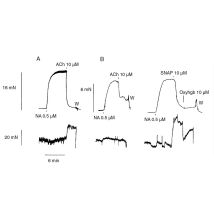
Xie, L., Feng, H., Li, S., Meng, G., Liu, S., Tang, X., … Ji, Y. (2016). SIRT3 Mediates the Antioxidant Effect of Hydrogen Sulfide in Endothelial Cells. Antioxidants & Redox Signaling, 24(6), 329–343. http://doi.org/10.1089/ars.2015.6331
-
ISO-COP-2 Carbon Monoxide Sensor - 2mm
Request Quote -
ISO-NOPF Flexible Nitric Oxide Sensor
Request Quote - Request Quote
- Request Quote
- Request Quote
-
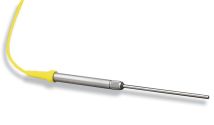
Hydrogen Peroxide Macro Sensor
Request Quote -
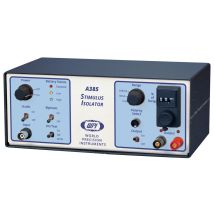
High Current Stimulus Isolator
Request Quote -
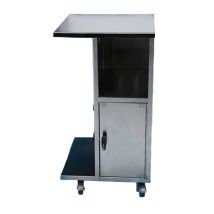
Mobile Workstation, 22" x 21" top
Request Quote -
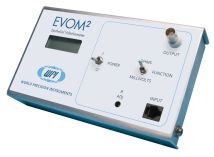
Epithelial Volt/Ohm (TEER) Meter - DISCONTINUED
Trade-In Available -
Constant Current Stimulus Isolator
Request Quote - Request Quote
-
Isolated Differential Amplifier with active probe
Request Quote -
Microforge with Digital Controller
Request Quote - Request Quote