Hurricane Milton may delay shipping.
Free Shipping on web orders over $50!
(USA only. Some exclusions.)
(USA only. Some exclusions.)
Free Shipping on web orders over $50!
(USA only. Some exclusions.)
(USA only. Some exclusions.)
ENDS DEC 31! Get 20% OFF Surgical Instruments.
Use the discount code WINTER20.
Use the discount code WINTER20.
SRQ Office closed Dec 24 - Jan 2.
Last 2024 shipping day: Dec 27.
Last 2024 shipping day: Dec 27.




Our Products
- Best Seller
- Featured Products
- Latest Products
-
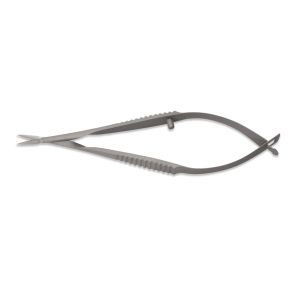
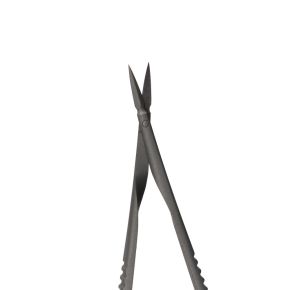
Vannas Spring Scissors, 8cm Long, 5mm Blades
As low as $266.00
From Our Blog
Latest From The Blog

WPI to Attend Neuroscience 2025 in San Diego Read more
WPI will attend Neuroscience 2025, the Society for Neuroscience’s annual meeting, taking place November 15–19 at the San Diego Convention Center. Recognized as the world’s largest gathering of neuroscientists, the event brings together researchers, educators, and industry leaders to share discoveries and explore innovations advancing the study of the brain and nervous system.
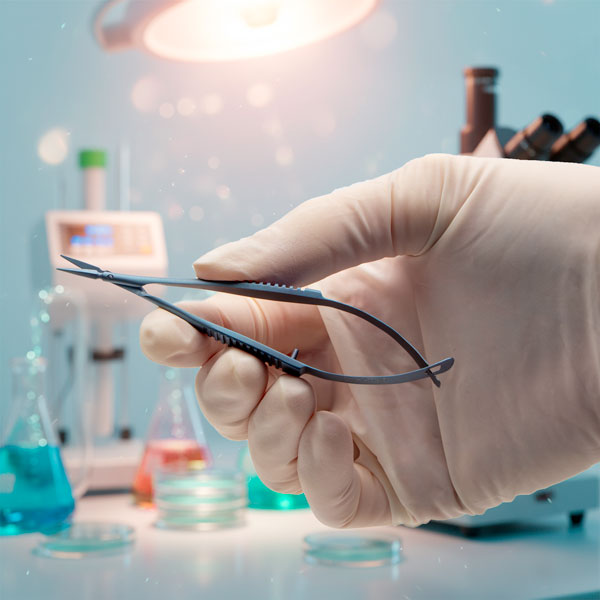
Why Titanium Surgical Instruments are the Premium Choice for Researchers Read more
When you spend hours at the bench or under a microscope, the smallest details in your tools make the biggest difference. The weight of your forceps, the glare from a light, the feel of a pair of scissors after repetitive use. Everything adds up. Choosing the right material isn’t just a matter of preference. It directly affects comfort, accuracy, and long‑term success in the lab.
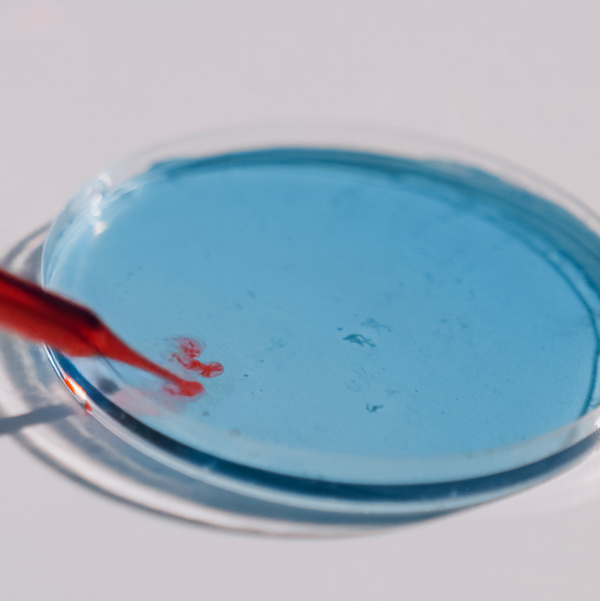
How Long Taper Tips Reduce Sample Loss in Solution Read more
You've calibrated your pressure settings perfectly, your timing is precise, yet you're still watching expensive reagents leak into the bath solution during microinjection. Sound familiar? This frustrating scenario plays out in labs worldwide, often leading researchers to question their pump settings or injection protocols. But after years of troubleshooting with scientists using WPI's next generation microinjection systems, one critical factor emerges repeatedly: tip geometry.
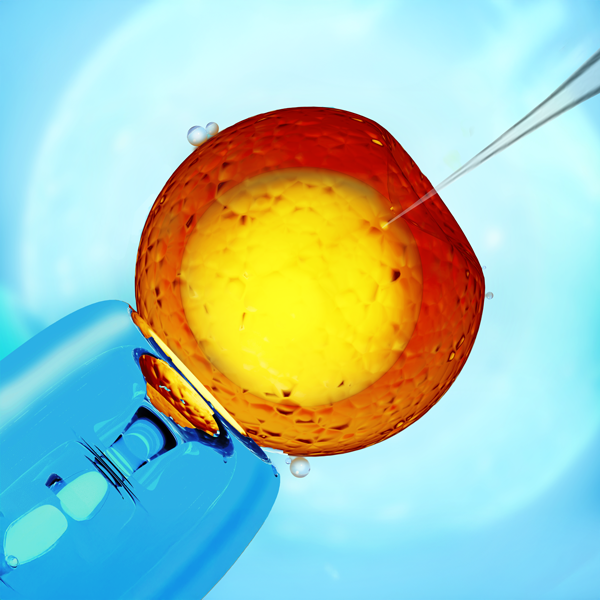
The Importance of Long-Taper Pipettes for Cell Transfection Read more
When it comes to gene modification and transfection research, success often depends on the smallest details. One of the most critical factors in microinjection-based techniques is the geometry of the pipette tip.
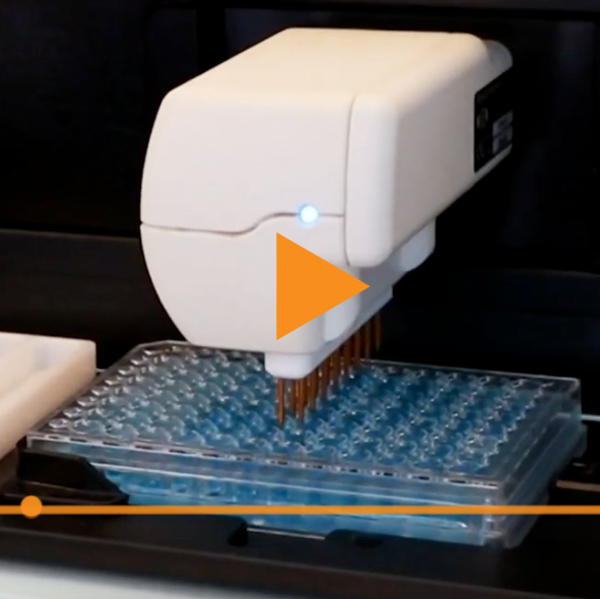
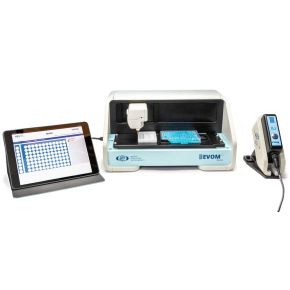
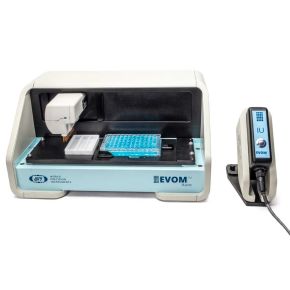
Introducing EVOM™ Auto, Ideal for Drug Discovery Read more
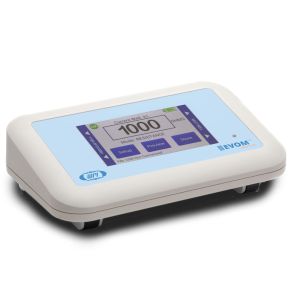
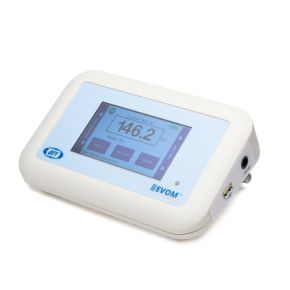
Meet the EVOM™ Auto from World Precision Instruments, the breakthrough that’s revolutionizing drug discovery. When it comes to drug discovery, reliable data on barrier function and cell integrity is essential. Transepithelial Electrical Resistance (TEER) measurements have long been the gold standard for assessing barrier function and cell integrity, critical data for your research, but traditional TEER workflows are often slow, error‑prone, and labor‑intensive.
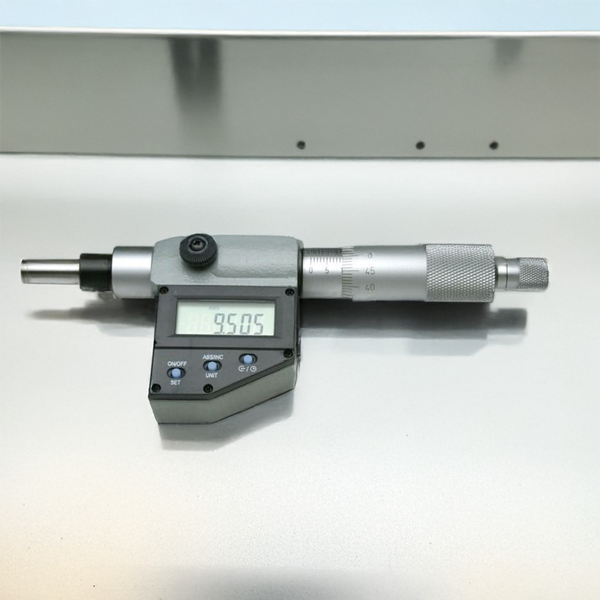
Micrometer Maintenance Tips: Ensure Precision & Longevity Read more
Micrometers are the backbone of precision measurement in laboratory research. These sophisticated instruments, whether integrated into complex equipment or used as standalone tools, are critical for maintaining the accuracy that scientific work demands. Yet many researchers overlook a simple truth: even the finest micrometer is only as reliable as the care it receives.
Proper maintenance isn't just about extending instrument life. It's about protecting the integrity of your research data. A poorly maintained micrometer can introduce measurement errors that cascade through entire experiments, compromising months of work.
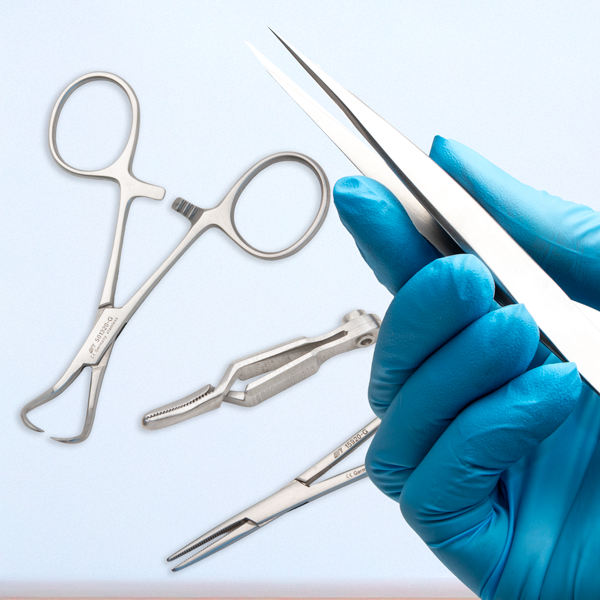
Forceps vs. Clamps: Understanding Their Different Roles Read more
In surgical and laboratory settings, instruments are designed for highly specific functions. Two of the most common, forceps and clamps, may appear similar at first glance, but they serve distinct purposes. Understanding their differences helps researchers, veterinarians, and surgeons choose the right tool for precision and safety. Forceps and clamps serve distinct but complementary roles in surgical procedures, each designed for specific tasks and anatomical considerations.

Understanding TEER: A Key Tool for Studying Barrier Integrity Read more
Cell barriers, such as the intestinal epithelium, blood–brain barrier, or corneal endothelium, are critical for controlling what enters and exits tissues. A compromised barrier can lead to disease, while a strong barrier is essential for maintaining health.
Understanding how our body's protective barriers function is crucial for advancing treatments and developing new therapies. For researchers, accurately measuring barrier integrity is vital in fields ranging from drug development to disease modeling. One of the most important tools scientists use to study these barriers is TEER (Transepithelial Electrical Resistance or Transendothelial Electrical Resistance). This powerful measurement technique provides valuable insights into the integrity and function of cellular barriers that protect our organs and tissues. TEER is a gold-standard, non-invasive technique for quantifying the integrity and permeability of cell monolayers grown in culture.
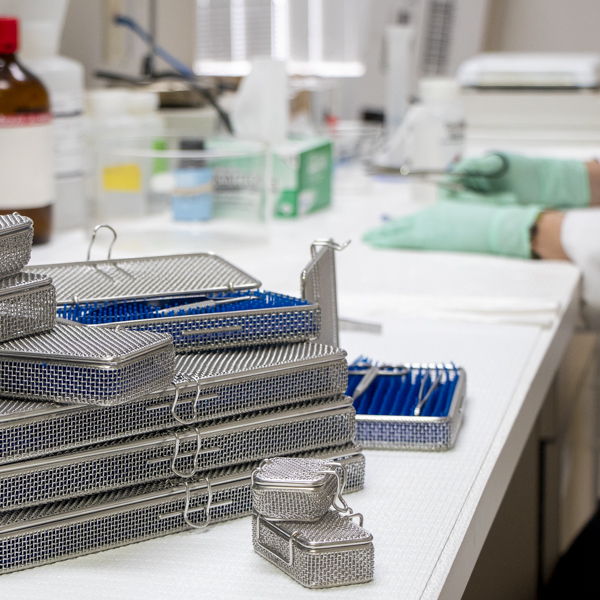
Preventing Cross-Contamination with Lab Scissors Read more
You’re halfway through a procedure when it hits you... The surgical scissors in your hand were just used for something else. In a busy university research lab, that’s all it takes for cross-contamination to creep in. These unsung heroes of small animal surgery are always within reach, but if they move from one task to another without proper decontamination, they can silently sabotage months of careful work. One contamination event can invalidate entire data sets, force costly repeat procedures, or worse, compromise animal welfare.

Close