Microinjection
- - September 16, 2025
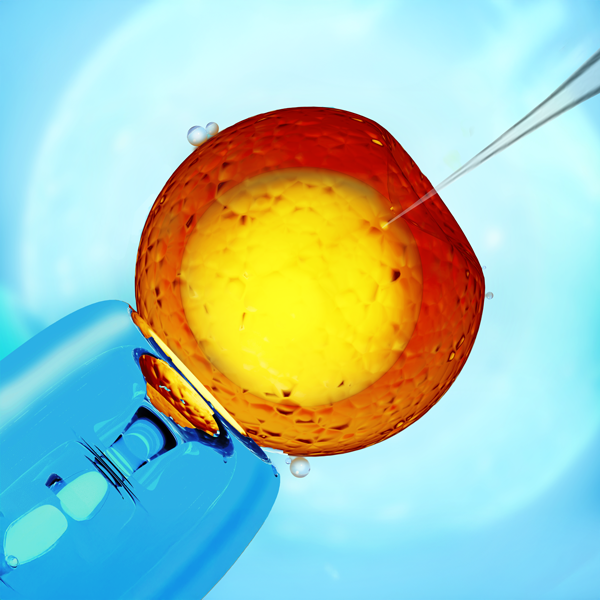
You've calibrated your pressure settings perfectly, your timing is precise, yet you're still watching expensive reagents leak into the bath solution during microinjection. Sound familiar? This frustrating scenario plays out in labs worldwide, often leading researchers to question their pump settings or injection protocols. But after years of troubleshooting with scientists using WPI's next generation microinjection systems, one critical factor emerges repeatedly: tip geometry.
- - September 08, 2025
When it comes to gene modification and transfection research, success often depends on the smallest details. One of the most critical factors in microinjection-based techniques is the geometry of the pipette tip.
- - April 15, 2025
Whether you're culturing bacteria, working with stem cells, or imaging live cells or embryos, attention to detail with Petri dishes can make or break your results. Use this quick checklist to avoid common mistakes and maintain best practices in the lab.
- - September 18, 2024
Pulling capillary glass into micropipettes or microelectrodes is a science and an art. Not only must you understand the environmental factors and the physics affecting each pull, but you must also know how to tweak your program to pull tips of consistent shape and size. Glass micropipettes or microelectrodes are used in intracellular recording, patch clamp, microperfusion, and microinjection. Let’s look at some factors that can affect the pulling of glass and how to adjust a program to get the micropipettes you need for your application.
- - September 10, 2024
Whether you are performing in-vivo injections for drug delivery calibrated extrusion studies, or any extremely sensitive, low-volume-based application, the quality and performance of your syringe system is paramount. Using a gas-tight syringe is critical for accuracy in various scientific and analytical applications for several reasons. Let’s consider a few instances.
- - June 18, 2024
Each NanoFil needle is individually handcrafted and made for versatility to serve your low-volume sample delivery needs. All needles are made with a universal 26G fixture to support and house each gauge of needle we offer: 33, 34, 35, and even 36G in blunt or beveled styles. WPI currently offers the smallest commercially available needles on the market—perfect for extremely sensitive targets, such as in ophthalmic applications. The universal fixture allows all needles to be used interchangeably across any NanoFil syringe. Any NanoFil needle can be inserted directly into the barrel of any NanoFil syringe, creating a 1:1 connection with the plunger, resulting in virtually zero dead volume. The sealing gasket seating the needle to the syringe reinforces a tight, uniform fit for a truly gas tight environment. Our design compatibility supports your ever-evolving application needs across varying delivery volumes required.
- - June 17, 2024
Get the highest quality images and video for your research with FluoroDish Cell Culture dishes. Their optical quality glass bottom is as thin as a coverslip, which ensures the least amount of distortions and excellent heat transfer without any of the autofluoresence issues so common with plastic petri dishes.
Choose the style that suits your application. For live cell imaging, embryo research, and life science researchers working with small sample volumes, the 35mm Fluorodish petri dish with a 10mm well (FD3510) is ideal. Researchers working with expensive chemicals or experimental drugs choose the FD3510. They are also an excellent choice for microinjection applications, because they are designed with the lowest access angle for easier insertion of a micropipette during cellular microinjection. Fluorodishes are also available in 35mm (FD35) or 50mm (FD5040) sizes for cell culturing applications. For better adhesion of neurons, try the 35mm Fluorodish that is coated with poly-D-lysine...more
- - December 08, 2023Leakages of your syringe can be extremely detrimental to the success of your fluid administration and overall application quality. Listed here are seven cases showing why your syringe might experiencing leakage, and how to overcome this.
- - December 07, 2023Microfluidics is an ever-expanding practice involving fine-tuned control of ultra-low volumes of fluid, generally within the nanoliter to microliter scale. This area of study has considerably shifted approaches to scientific and industrial discovery. Particularly, utilizing a microfluidics-based approach in the realm of drug development has shown great promise in catalyzing movement to clinical trials by allowing for biological processes to be studied ex vivo, using more relevant human tissue models. Listed are just some of the means by which microfluidics is improving drug development processes.
- - November 20, 2023Micromanipulators are widely used in cell biology, neurobiology, microelectronics, and microsurgery. Micromanipulators enable researchers to perform intricate tasks with high accuracy and stability, making them indispensable laboratory tools in a variety of applications.
- - October 20, 2023
Micromanipulators are an important tool used to execute minute, fine-tuned movements critical for various applications including microinjection into cells or tissue, microscopy, as well as for research involving biological and nano-engineering implementation. Before selecting a micromanipulator, consider the following to choose the best option for your application:
- - October 13, 2023
Cleaning laboratory syringes helps prevent contamination and ensures accurate dosing. You should always adhere to the protocols of your institution and the manufacturer of your syringe. Specific cleaning requirements may vary based on the intended use of the syringe, its material composition , and the sample fluid introduced. Here is a typical protocol for cleaning a laboratory syringe.
- - August 31, 2023
Choosing the right syringe type depends on the specific application and the requirements of your task. Syringes come in various sizes, materials, and designs, each suited for different purposes. Here are some factors to consider when selecting a syringe type.
- - August 29, 2023
Deciding which syringe pump is best for your application involves factors like the flow rate, number of channels, and precision that you require to select and appropriate system. Use a syringe pump when manual syringe handling will negatively impact the delivery of your sample, and to precisely regulate the rate of fluid dispensed from a syringe. These pumps are utilized in diverse areas, including biomedical or chemical applications, general research, healthcare, and in industrial settings. Below is a guide to assist in deciding which syringe pump is most suitable for you:
- - August 15, 2023
WPI’s FluoroDish™ cell culture dishes are optimally designed for a wide variety of cell culture and embryology experiments including high resolution imaging, live cell imaging, electrophysiological recordings of fluorescently tagged cells, and microinjection. FluoroDish™ cell culture dishes are far better than standard petri dishes, because they are designed with optical quality glass bottoms, which offer superior imaging using the latest microscopy technology. WPI’s FluoroDishes™ have been cited in over 550 peer-reviewed publications by cell culture laboratories across the world.

Recent Posts