Product Information
- - September 16, 2025
You've calibrated your pressure settings perfectly, your timing is precise, yet you're still watching expensive reagents leak into the bath solution during microinjection. Sound familiar? This frustrating scenario plays out in labs worldwide, often leading researchers to question their pump settings or injection protocols. But after years of troubleshooting with scientists using WPI's next generation microinjection systems, one critical factor emerges repeatedly: tip geometry.
- - September 08, 2025
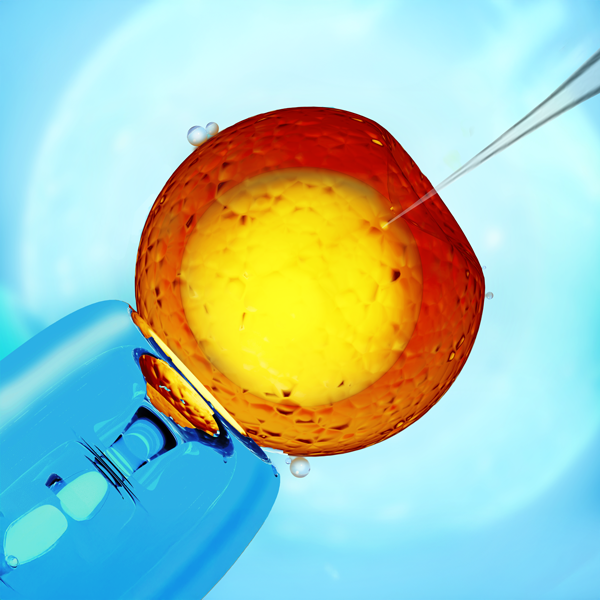
When it comes to gene modification and transfection research, success often depends on the smallest details. One of the most critical factors in microinjection-based techniques is the geometry of the pipette tip.
- - September 05, 2025
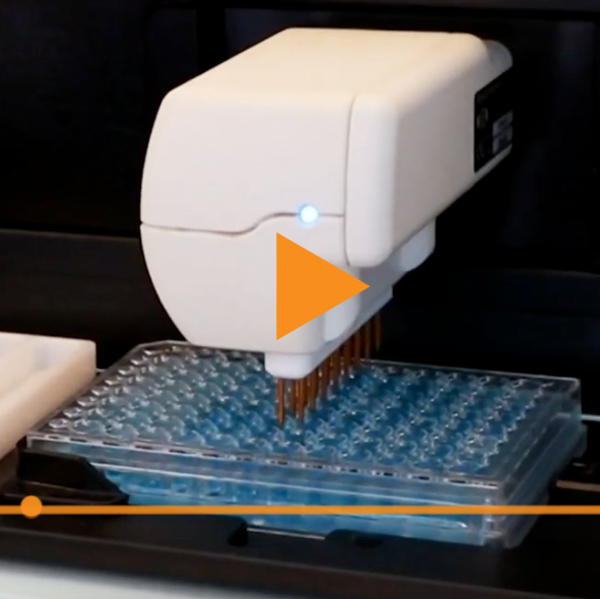
Meet the EVOM™ Auto from World Precision Instruments, the breakthrough that’s revolutionizing drug discovery. When it comes to drug discovery, reliable data on barrier function and cell integrity is essential. Transepithelial Electrical Resistance (TEER) measurements have long been the gold standard for assessing barrier function and cell integrity, critical data for your research, but traditional TEER workflows are often slow, error‑prone, and labor‑intensive.
- - August 21, 2025
Cell barriers, such as the intestinal epithelium, blood–brain barrier, or corneal endothelium, are critical for controlling what enters and exits tissues. A compromised barrier can lead to disease, while a strong barrier is essential for maintaining health.
Understanding how our body's protective barriers function is crucial for advancing treatments and developing new therapies. For researchers, accurately measuring barrier integrity is vital in fields ranging from drug development to disease modeling. One of the most important tools scientists use to study these barriers is TEER (Transepithelial Electrical Resistance or Transendothelial Electrical Resistance). This powerful measurement technique provides valuable insights into the integrity and function of cellular barriers that protect our organs and tissues. TEER is a gold-standard, non-invasive technique for quantifying the integrity and permeability of cell monolayers grown in culture.
- - August 07, 2025
In university small animal research, surgical precision directly impacts both data reliability and animal welfare. Hemostatic forceps are essential instruments for controlling bleeding and minimizing trauma. From fine Mosquito Forceps for microsurgery to robust Rochester Carmalt clamps for larger vessels, choosing the right instrument, and using it correctly, can dramatically improve your surgical outcomes.
But even experienced lab teams can fall into bad habits. Here are the most common mistakes to avoid, along with guidance on selecting the best hemostatic forceps for your protocols.
- - July 15, 2025
University research labs face unique challenges when it comes to proper instrument handling, particularly given the constant rotation of students, postdocs, and visiting researchers. Poor handling practices can derail research projects, waste limited funding, and compromise student safety.
- - June 30, 2025
Micromanipulators play a critical role in electrophysiology, as well as in micro/nanofabrication. Each application sector requires accurate positioning yet demands of a micromanipulator rig varies based on the specific application focus. From positioning for a patch clamp setup, in vivo placement, to fabrication of PCB/MEMS boards, each area has specific requirements that must be considered when deciding which micromanipulator is right for you. WPI offers several types of electrophysiology-focused products to suit your setup, as well as a breadth of micromanipulators to choose from for your specific application focus.
- - June 11, 2025
World Precision Instruments (WPI), the global leader in transepithelial electrical resistance (TEER) technology, in collaboration with SynVivo, a leader in organ-on-chip (OOC) solutions, is proud to announce the launch of the EVOMTM Chip – a revolutionary multiplex TEER system designed specifically for real-time, non-destructive monitoring of OOC platforms.
Co-developed to support SynVivo’s state-of-the-art Blood-Brain Barrier (BBB) OOC model, the EVOM™ Chip enables on-chip, multiplex TEER measurements with embedded electrodes. This innovation allows researchers and drug developers to continuously monitor up to 12 OOCs for barrier integrity while simultaneously enabling fluidics and imaging, offering hands-free operation with enhanced accuracy, precision, and reproducibility.
- - May 30, 2025
When working with gas-tight NanoFil™ syringes, especially in applications involving viral vectors or delicate biological samples, priming your syringe correctly is essential to ensure reliable and accurate sample delivery. Even microscopic air pockets can lead to inconsistent dosing or air injection, which can be detrimental in high-precision workflows. Here's a step-by-step guide to priming your NanoFil™ syringe system effectively.
- - May 28, 2025
At WPI, we know precision and ease of use matter, especially when you're handling microinjections at the smallest scales. That’s why we’ve created a quick unboxing and setup guide to help you hit the ground running with your new NanoFil™ gas-tight syringe system.
Whether you're new to NanoFil™ or just want a refresher on what's included and how to get started, this article walks you through everything you need to know.
- - May 16, 2025
In barrier model research, the integrity of your cell monolayers isn’t just important—it’s everything. Whether you're studying epithelial transport, drug permeability, or disease modeling, your ability to trust your data hinges on the health of your cultures. That’s why so many researchers rely on Transendothelial/Transepithelial Electrical Resistance (TEER) as a simple, non-invasive, real-time quantitative evaluation of the integrity of your cellular barrier.
- - May 08, 2025
Transepithelial/Transendothelial Electrical Resistance (TEER) is a widely used quantitative technique to assess the integrity of tight junctions in cell monolayers. WPI’s EVOM™ is the gold standard for TEER measurement and is particularly valuable in studies involving drug transport, toxicology, inflammation, and organ-on-chip systems. TEER measurement provides fast and quantitative data and can be used as an efficient and cost-effective method for drug discovery and development. There are certain biological and technical factors that are known to affect TEER readings. This article reviews the key variables that influence TEER outcomes in cell culture studies and how to ensure consistent TEER measurement analysis can be done by minimizing or eliminating the effects of these factors.
- - May 05, 2025
Whether you're conducting patch-clamp recordings, microinjections, or other high-precision tasks under a microscope, the right micromanipulator can make all the difference. At WPI, we offer a full range of manual and motorized micromanipulators designed to support both routine lab work and complex experimental setups. But which one is the best fit for your needs? Here’s a closer look at the key differences, features, and benefits of each.
- - May 01, 2025
WPI’s NanoFil™ Gas-Tight syringe offers the ultimate precision for sensitive tissue, particularly for ophthalmic-specific applications. The injection system boasts zero dead volume in the terminal between the interchangeable needle and plunger— creating a truly gas-tight system once primed. NanoFil™ needles are offered in blunt or beveled styles down to 36G, the smallest commercially available gauge on the market.
- - April 29, 2025
In traditional hanging-insert workflows, media changes are a slow, manual bottleneck. Researchers must lift each insert—often with tweezers—to access the narrow gap between insert and well for pipetting or aspiration. This labor-intensive step not only adds time and variability but also risks disturbing delicate cellular layers. Now, WPI’s 24-Well Auto Exchange Cell Culture Plate fundamentally reshapes this workflow by combining smart well geometry, integrated fluidics, and robust insert seating to enable fully automated, multichannel TEER measurement on the EVOM™ Auto—and to simplify every step of media exchange and sampling, whether done by hand or robot. It enables seamless media exchange and multichannel TEER measurements without ever lifting an insert.

Recent Posts