Lab Supplies
- - September 08, 2025
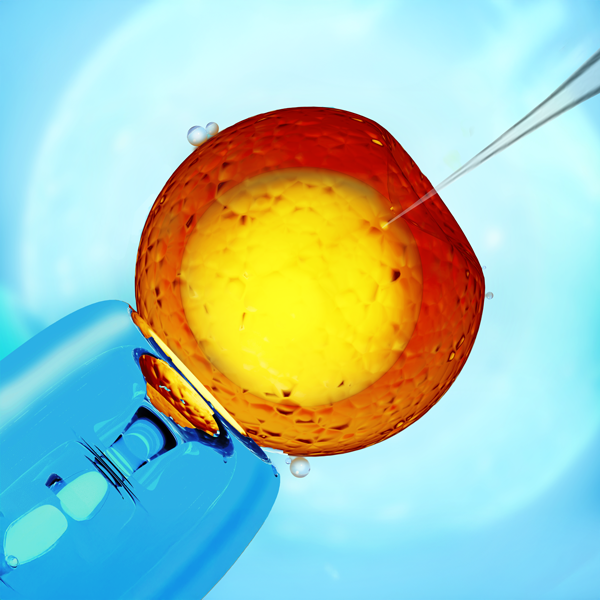
When it comes to gene modification and transfection research, success often depends on the smallest details. One of the most critical factors in microinjection-based techniques is the geometry of the pipette tip.
- - August 07, 2025
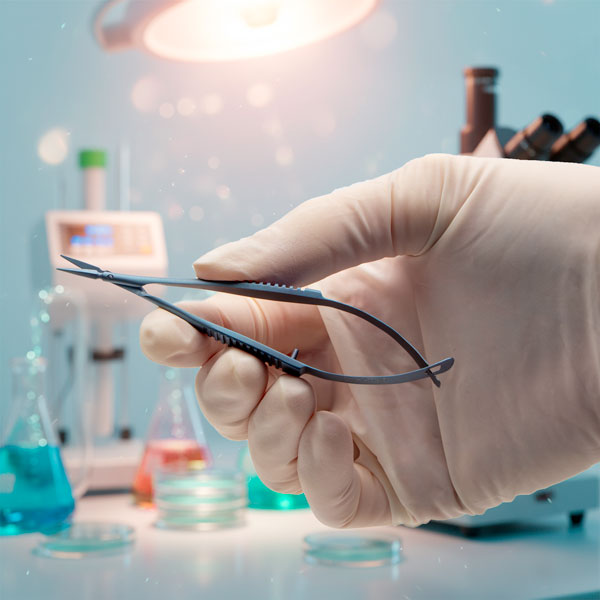
In university small animal research, surgical precision directly impacts both data reliability and animal welfare. Hemostatic forceps are essential instruments for controlling bleeding and minimizing trauma. From fine Mosquito Forceps for microsurgery to robust Rochester Carmalt clamps for larger vessels, choosing the right instrument, and using it correctly, can dramatically improve your surgical outcomes.
But even experienced lab teams can fall into bad habits. Here are the most common mistakes to avoid, along with guidance on selecting the best hemostatic forceps for your protocols.
- - July 15, 2025
University research labs face unique challenges when it comes to proper instrument handling, particularly given the constant rotation of students, postdocs, and visiting researchers. Poor handling practices can derail research projects, waste limited funding, and compromise student safety.
- - May 30, 2025
When working with gas-tight NanoFil™ syringes, especially in applications involving viral vectors or delicate biological samples, priming your syringe correctly is essential to ensure reliable and accurate sample delivery. Even microscopic air pockets can lead to inconsistent dosing or air injection, which can be detrimental in high-precision workflows. Here's a step-by-step guide to priming your NanoFil™ syringe system effectively.
- - May 28, 2025
At WPI, we know precision and ease of use matter, especially when you're handling microinjections at the smallest scales. That’s why we’ve created a quick unboxing and setup guide to help you hit the ground running with your new NanoFil™ gas-tight syringe system.
Whether you're new to NanoFil™ or just want a refresher on what's included and how to get started, this article walks you through everything you need to know.
- - May 05, 2025
Whether you're conducting patch-clamp recordings, microinjections, or other high-precision tasks under a microscope, the right micromanipulator can make all the difference. At WPI, we offer a full range of manual and motorized micromanipulators designed to support both routine lab work and complex experimental setups. But which one is the best fit for your needs? Here’s a closer look at the key differences, features, and benefits of each.
- - May 01, 2025
WPI’s NanoFil™ Gas-Tight syringe offers the ultimate precision for sensitive tissue, particularly for ophthalmic-specific applications. The injection system boasts zero dead volume in the terminal between the interchangeable needle and plunger— creating a truly gas-tight system once primed. NanoFil™ needles are offered in blunt or beveled styles down to 36G, the smallest commercially available gauge on the market.
- - April 08, 2025
If you’ve ever stepped into a research lab, you know it’s filled with specialized tools and equipment—all essential for keeping experiments running smoothly. When people ask “What are laboratory supplies” the short answer is: they’re the essentials that help scientists and researchers get their work done. That includes everything from basic items like petri dishes and pipettes to more advanced laboratory equipment like microscopes and micromanipulators.
- - March 04, 2025
When you are looking for a low toxicity adhesive with some elasticity and good moisture resistance, choose a silicone adhesive.
- - February 10, 2025
The adhesive you select will depend largely on your biomedical research laboratory application. If you are building electrodes, you might use a silver-filled, conductive epoxy to connect a Ag/AgCl pellet. For instantaneous bonding when mounting a rodent brain slice, you might select an ethyl cyanoacrylate. When you are looking for a low toxicity adhesive with some elasticity and good moisture resistance, a silicone adhesive is the option of choice. When used with living tissue, an adhesive must be:
- - February 06, 2025
Cyanoacrylate adhesives have been on the market since 1958. Most industrial or household grade cyanoacrylate (like Super Glue) are made of shorter alkyl chain derivatives such as methyl or ethyl cyanoacrylate (WPI #7341 and #7342). They are very useful for temporarily holding tissues such as mounting specimens for microtome sectioning. A family of adhesives containing octyl cyanoacrylate, a plasticizer and stabilizer, was developed In the 1990's (one of them approved by FDA for human use). When bonding to tissue, these new adhesives are four times stronger and less toxic than butyl cyanoacrylate. Compared with the traditional suture, the new super adhesive has several advantages. Cyanoacrylates Not Suitable for Live Animals.
- - February 02, 2025
Sylgard is a 2-part silicone elastomer with a very low dielectric constant, which makes it ideal for patch clamping and many other lab applications, especially in electrophysiology. The twin pack is a convenient, single use sleeve containing both parts of the adhesive. We will show you how to properly mix the Sylgard Twin Pack.
- - February 01, 2025
The physical properties of glass depend upon the chemical composition of the glass, as well as how the glass was manufactured. Glass has no set melting point, but four temperatures are of primary importance when discussing glass production.
- - January 15, 2025
Both Kwik-Sil and Kwik-Cast are silicone adhesives, but they are a little different.
- - December 31, 2024WPI offers a wide spectrum of high-quality glass capillaries, including Fire-Polished, Borosilicate glass capillaries, Thin Wall, and Single Barrel. We take pride in our ability to ship your glass order within 48 hours. If you need a special glass that does not appear in our catalog, please call us. We will make every effort to provide it for you.

Recent Posts