Page 2 - Product Information
- - April 22, 2025
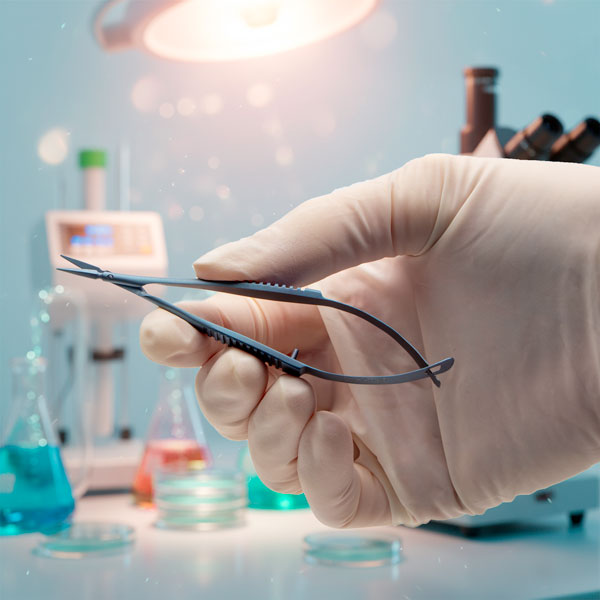
Precision and control are vital in ophthalmic procedures, and having the right surgical scissors makes all the difference. WPI offers a large variety of high-performance scissors specifically suited for the demands of eye surgery and laboratory microdissection work. Here's a quick guide to some of the most commonly used types of ophthalmic scissors.
- - April 15, 2025
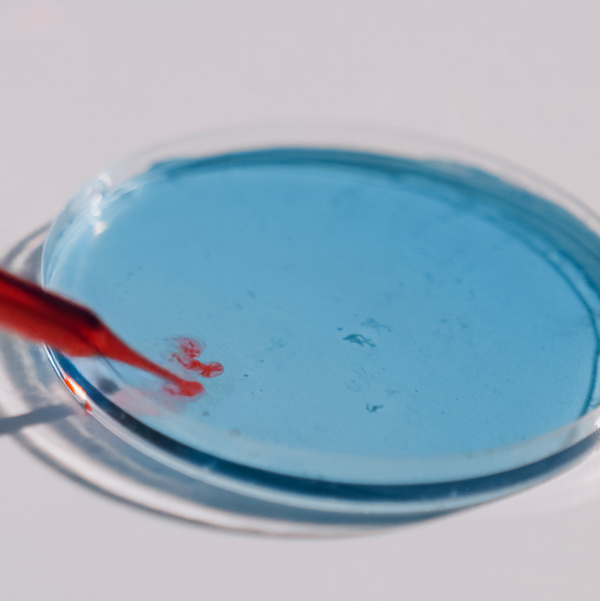
Whether you're culturing bacteria, working with stem cells, or imaging live cells or embryos, attention to detail with Petri dishes can make or break your results. Use this quick checklist to avoid common mistakes and maintain best practices in the lab.
- - April 08, 2025
If you’ve ever stepped into a research lab, you know it’s filled with specialized tools and equipment—all essential for keeping experiments running smoothly. When people ask “What are laboratory supplies” the short answer is: they’re the essentials that help scientists and researchers get their work done. That includes everything from basic items like petri dishes and pipettes to more advanced laboratory equipment like microscopes and micromanipulators.
- - March 07, 2025
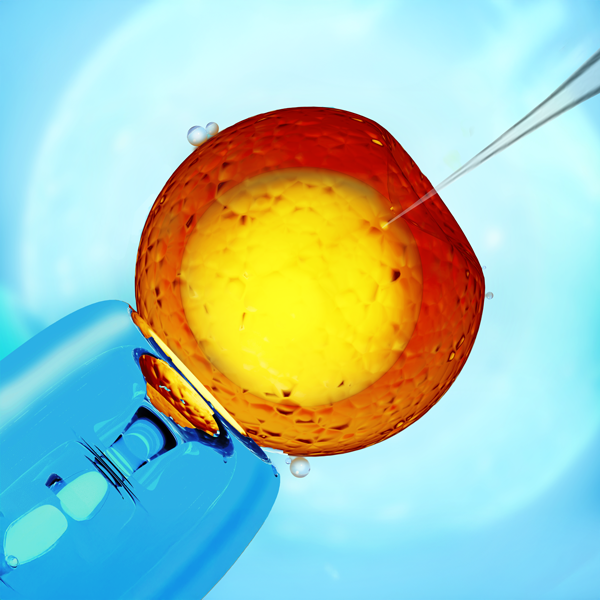
Organoids are three-dimensional, miniature models of organs and tissues that are grown in vitro from stem cells or other progenitor cells with the ability to differentiate into a cell type found in a given organ or tissue. They closely mimic the structure and function of human organs, making them valuable tools for studying human development, disease modeling, drug discovery, and personalized medicine.
- - March 04, 2025
When you are looking for a low toxicity adhesive with some elasticity and good moisture resistance, choose a silicone adhesive.
- - February 13, 2025
The EVOM™ Auto with GxP module allows you to synchronize the date and time of the EVOM™ Auto system to the computer. This date is used to time stamp data when acquiring data and when staging it for export.
- - February 10, 2025
The adhesive you select will depend largely on your biomedical research laboratory application. If you are building electrodes, you might use a silver-filled, conductive epoxy to connect a Ag/AgCl pellet. For instantaneous bonding when mounting a rodent brain slice, you might select an ethyl cyanoacrylate. When you are looking for a low toxicity adhesive with some elasticity and good moisture resistance, a silicone adhesive is the option of choice. When used with living tissue, an adhesive must be:
- - February 09, 2025
EVOM™ GxP compliance Module is 21 CFR Part 11 compliant software that meets the FDA's requirements for electronic records and signatures. When running the EVOM™ Auto with the GxP.
- - February 06, 2025
Cyanoacrylate adhesives have been on the market since 1958. Most industrial or household grade cyanoacrylate (like Super Glue) are made of shorter alkyl chain derivatives such as methyl or ethyl cyanoacrylate (WPI #7341 and #7342). They are very useful for temporarily holding tissues such as mounting specimens for microtome sectioning. A family of adhesives containing octyl cyanoacrylate, a plasticizer and stabilizer, was developed In the 1990's (one of them approved by FDA for human use). When bonding to tissue, these new adhesives are four times stronger and less toxic than butyl cyanoacrylate. Compared with the traditional suture, the new super adhesive has several advantages. Cyanoacrylates Not Suitable for Live Animals.
- - February 02, 2025
Sylgard is a 2-part silicone elastomer with a very low dielectric constant, which makes it ideal for patch clamping and many other lab applications, especially in electrophysiology. The twin pack is a convenient, single use sleeve containing both parts of the adhesive. We will show you how to properly mix the Sylgard Twin Pack.
- - February 01, 2025
WPI's EndOhm chambers are used with WPI's EVOM2 meter to measure TEER (transepithelial electrical resistance) in cell culture inserts. Three chamber sizes are available for 6-well plates, 12-well plates and 24-well plates. Here Subhra demonstrates how to choose an EndOhm chamber to match the cell culture inserts you are using.
- - February 01, 2025
The physical properties of glass depend upon the chemical composition of the glass, as well as how the glass was manufactured. Glass has no set melting point, but four temperatures are of primary importance when discussing glass production.
- - January 20, 2025
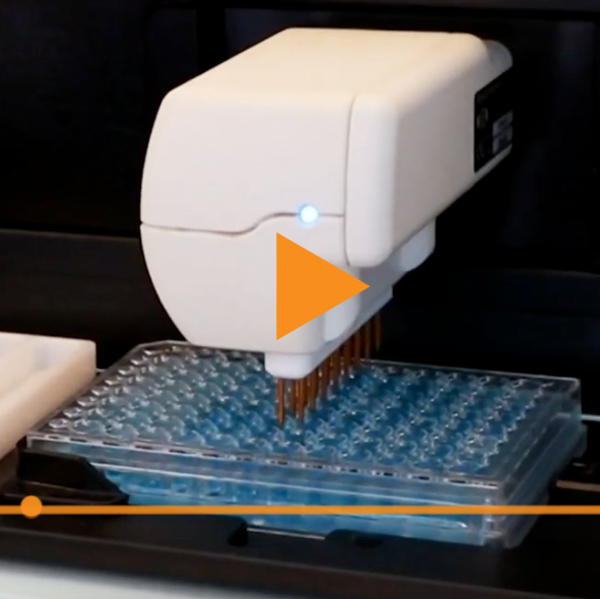
EVOM™ Auto is a high throughput screening (HTS) platform offering fast, non-invasive sample scanning by comparing electrical resistance measurements (transepithelial/transendothelial electrical resistance: TEER). TEER measurement experiments are simple to set up and less time consuming than more complex molecular studies. The GxP module offers 21 CFR Part 11 compliant software that is required by the FDA. In this video, we will see how to delete an EVOM™ Auto GxP measurement sequence you no longer need.
- - January 17, 2025
One of our frequently asked questions (FAQs) concerns TEER measurements with an EndOhm. If the resistance readings from your ENDOHM don't stabilize, you may need to do some troubleshooting.
- - January 15, 2025
EndOhm chambers are designed for making accurate TEER measurement of epithelial and endothelial cell cultures. The design keeps the top and bottom electrodes at a fixed gap and maintains the sample (cell culture insert) in a centered position inside. This design minimizes the variability associated with electrode positioning and gap, making EndOhm chambers more accurate and capable of generating reproducible results. WPI made some recent upgrades to the EndOhm chambers.

Recent Posts