Page 10 - Blog
- - July 04, 2024
The process of drug discovery and development is extremely slow and expensive. Regulatory authorities, such as US FDA need animal models to test absorption, distribution, metabolism, and excretion (ADME) which estimates safety and effectiveness of a drug.
- - June 18, 2024
Each NanoFil needle is individually handcrafted and made for versatility to serve your low-volume sample delivery needs. All needles are made with a universal 26G fixture to support and house each gauge of needle we offer: 33, 34, 35, and even 36G in blunt or beveled styles. WPI currently offers the smallest commercially available needles on the market—perfect for extremely sensitive targets, such as in ophthalmic applications. The universal fixture allows all needles to be used interchangeably across any NanoFil syringe. Any NanoFil needle can be inserted directly into the barrel of any NanoFil syringe, creating a 1:1 connection with the plunger, resulting in virtually zero dead volume. The sealing gasket seating the needle to the syringe reinforces a tight, uniform fit for a truly gas tight environment. Our design compatibility supports your ever-evolving application needs across varying delivery volumes required.
- - June 17, 2024
Get the highest quality images and video for your research with FluoroDish Cell Culture dishes. Their optical quality glass bottom is as thin as a coverslip, which ensures the least amount of distortions and excellent heat transfer without any of the autofluoresence issues so common with plastic petri dishes.
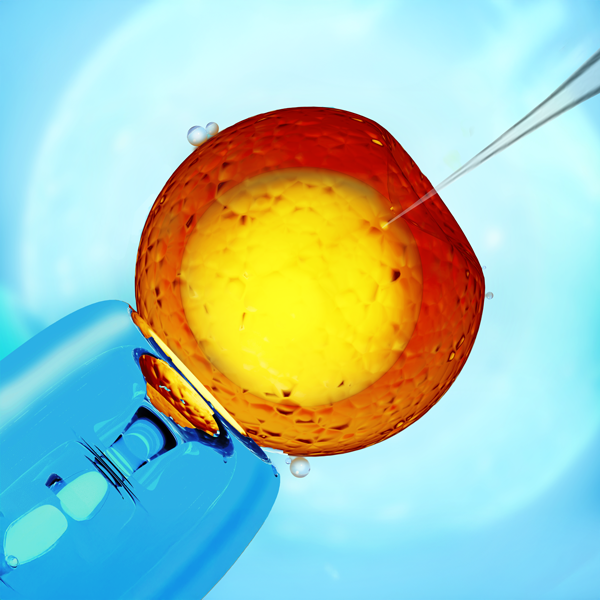
Choose the style that suits your application. For live cell imaging, embryo research, and life science researchers working with small sample volumes, the 35mm Fluorodish petri dish with a 10mm well (FD3510) is ideal. Researchers working with expensive chemicals or experimental drugs choose the FD3510. They are also an excellent choice for microinjection applications, because they are designed with the lowest access angle for easier insertion of a micropipette during cellular microinjection. Fluorodishes are also available in 35mm (FD35) or 50mm (FD5040) sizes for cell culturing applications. For better adhesion of neurons, try the 35mm Fluorodish that is coated with poly-D-lysine...more
- - June 10, 2024
SARASOTA, Fla. and LYON, France, June 10, 2024 /PRNewswire/ -- World Precision Instruments (WPI), a leading provider of high-quality laboratory instruments and equipment for basic research and drug development, and NETRI, an organs-on-chip industrial start-up, are proud today to announce their partnership. This partnership aims to associate WPI's transepithelial electrical resistance (TEER) technology, and products enabling TEER, with NETRI's proprietary NeoBento organs-on-chip MultiFluidics™ line. WPI has long been at the forefront of developing technologies that enable and augment microphysiological systems and organs-on-chip applications. With a strong focus on enabling TEER, fluidics, and other vital technologies in this field, WPI is committed to advancing research and innovation in the life sciences for basic research and drug development.
- - June 05, 2024
Transepithelial Electrical Resistance (TEER) measurements play a vital role in assessing barrier function, tissue integrity, and cell-cell interactions in Organ-on-Chip (OoC) platforms. Measuring TEER by applying a small AC current across a monolayer of cells and measuring the resistance to that current, which provides valuable insights into the physiological relevance and functionality of in vitro models, enabling researchers to study organ-specific responses, disease mechanisms, and drug effects while cells are growing in a controlled microenvironment. This article will explore the applications of TEER in OoC set-ups, critical aspects to TEER measurements in microphysiological systems, and challenges and limitations that must be overcome to fully realize the potential of this technology for OoC platforms.
- - May 20, 2024
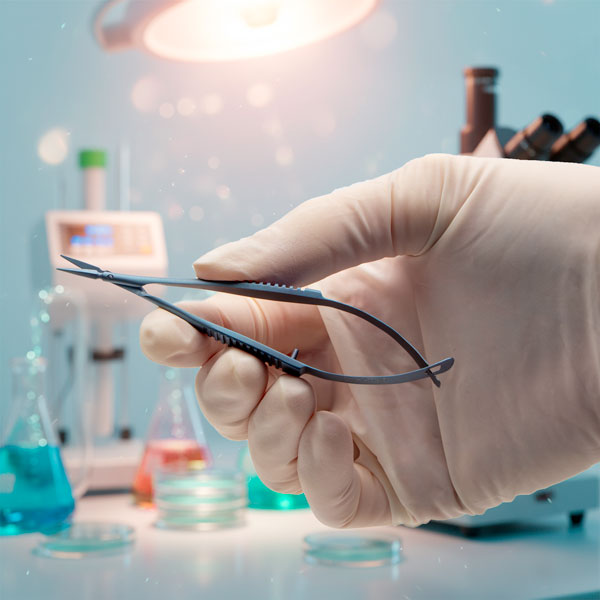
Tungsten carbide (TC) inserts have revolutionized the field of surgical instrumentation, offering benefits that make them a preferred choice. These inserts, typically made from a combination of tungsten and carbon, exhibit exceptional hardness, strength, and resistance to wear and corrosion, maximizing the lifespan of Surgical scissors, Forceps, and Needle holders.
- - May 16, 2024
The use of Disposable biopsy punches has become routine in a variety of industries, from healthcare to forensic science and manufacturing. These small but crucial instruments offer many benefits, ranging from convenience and sterility to cost-effectiveness and reliability.
Disposable biopsy punches are often preferred over reusable biopsy punches because of their convenience and cost-effectiveness. Reusable punches require sterilization between uses, which takes time and resources. Disposable punches streamline your workflow efficiency and enable you to focus your efforts on your results. For high-volume procedures, this can be critical.
- - May 13, 2024
Protect the investment you have made in surgical instruments and improve the outcomes of your surgeries by regularly inspecting your surgical scissors. Regular inspections ensure that your surgical scissors are in optimal working condition, allowing you to promptly identify and address common issues like dullness, misalignment, or damage. Inspections also help mitigate risks associated with the use of defective or damaged surgical scissors and promotes surgical safety, reducing the likelihood of adverse outcomes. By addressing minor issues early on and following regular cleaning, sterilization, and storage protocols, you can extend the usable lifespan of your surgical instruments, reducing the need for frequent replacements and the associated costs.
- - May 09, 2024Join WPI at Booth 14 at the MPS World Summit, June 10-13 in Seattle, WA. for a showcase of new research and the opportunity to network with colleagues and industry thought-leaders.
- - May 07, 2024
Cell therapies have emerged as a promising approach for treating various medical conditions, offering the potential for regenerating damaged tissues, restoring normal cellular function, or even acting as cytotoxic cells that target and destroy diseased cells such as cancer cells. As the field of cell-based therapeutics and regenerative medicine continues to advance, ensuring the quality and safety of cell-based therapies is of paramount importance. Quality control measures play a critical role in the manufacturing process of cell therapies, with trans-epithelial electrical resistance (TEER) emerging as a valuable tool for assessing the integrity and functionality of cells used in these therapies. Here, we highlight the use of TEER for quality control of Retinal Pigment Epithelial (RPE) cells, a promising cell therapy for degenerative retinal diseases1.

Recent Posts