Page 5 - Blog
- - March 12, 2025
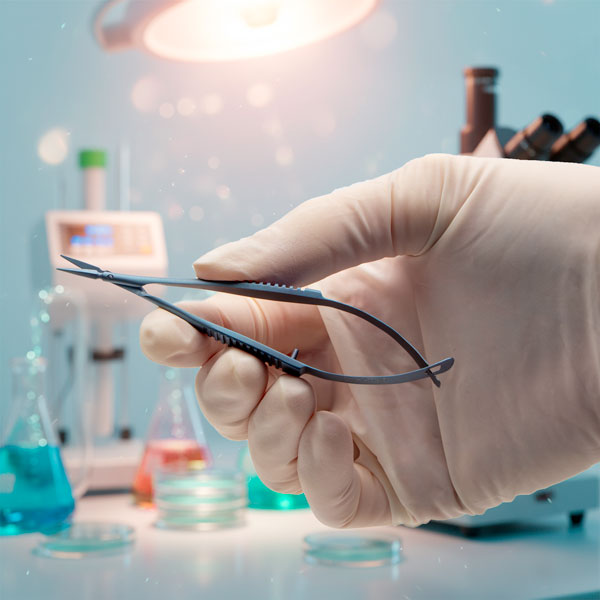
Over the past century, hand-held surgical instruments have undergone significant advancements in materials, design, and functionality. These instruments, which are designed for cutting, clamping, grasping, and retracting tissue, have developed to improve surgical precision, minimize trauma, and enhance patient outcomes. The transformation of surgical instruments has morphed basic stainless steel tools into highly specialized, ergonomic, and disposable devices designed for specific procedures.
- - March 12, 2025
In regulated industries such as pharmaceuticals, biotechnology, and medical research, managing vast amounts of documentation is a crucial aspect of compliance. Regulatory agencies require organizations to maintain accurate, verifiable records of their processes, from standard operating procedures (SOPs) to testing data and batch records. However, manual documentation can be prone to errors, inefficiencies, and compliance risks. GxP compliant software provides a solution by centralizing document management, enforcing structured workflows, and ensuring data integrity. By streamlining documentation processes, GxP compliance tools help organizations maintain organized, audit-ready records while improving efficiency and reliability in scientific research.
- - March 10, 2025
In regulated industries such as pharmaceuticals, biotechnology, and clinical research, adherence to GxP (Good "X" Practice) guidelines is essential to maintaining quality, safety, and compliance. These regulations ensure that research findings, manufacturing processes, and clinical trials meet rigorous standards set by regulatory agencies worldwide. Without proper compliance, organizations risk facing legal consequences, financial losses, and reputational damage. Implementing GxP compliance software and specialized laboratory equipment is a critical step in helping laboratories streamline processes, maintain accurate records, and uphold data integrity. This article explores how GxP guarantees regulatory compliance and ensures data integrity, two fundamental aspects of high-quality scientific research and product development.
- - March 07, 2025
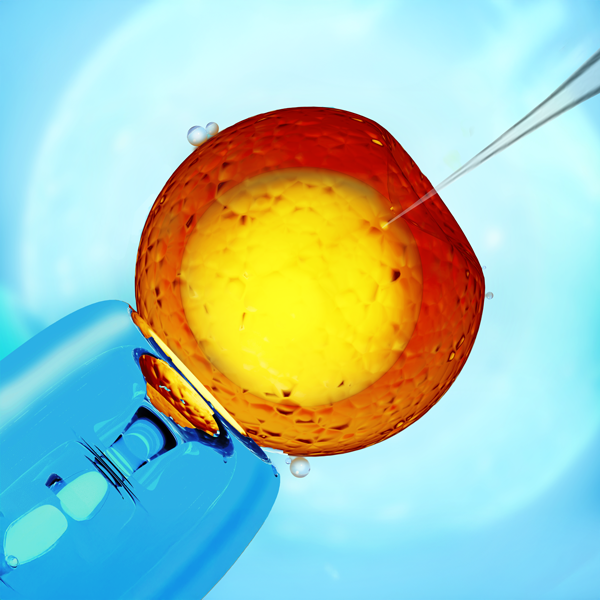
Organoids are three-dimensional, miniature models of organs and tissues that are grown in vitro from stem cells or other progenitor cells with the ability to differentiate into a cell type found in a given organ or tissue. They closely mimic the structure and function of human organs, making them valuable tools for studying human development, disease modeling, drug discovery, and personalized medicine.
- - March 04, 2025
When you are looking for a low toxicity adhesive with some elasticity and good moisture resistance, choose a silicone adhesive.
- - February 22, 2025
GxP is a collective term for various quality and regulatory practices that ensure the integrity, reliability, and quality of data, products, and processes in regulated industries, including pharmaceuticals, biotechnology, and medical research.
- - February 13, 2025
The EVOM™ Auto with GxP module allows you to synchronize the date and time of the EVOM™ Auto system to the computer. This date is used to time stamp data when acquiring data and when staging it for export.
- - February 10, 2025
The adhesive you select will depend largely on your biomedical research laboratory application. If you are building electrodes, you might use a silver-filled, conductive epoxy to connect a Ag/AgCl pellet. For instantaneous bonding when mounting a rodent brain slice, you might select an ethyl cyanoacrylate. When you are looking for a low toxicity adhesive with some elasticity and good moisture resistance, a silicone adhesive is the option of choice. When used with living tissue, an adhesive must be:
- - February 09, 2025
EVOM™ GxP compliance Module is 21 CFR Part 11 compliant software that meets the FDA's requirements for electronic records and signatures. When running the EVOM™ Auto with the GxP.
- - February 06, 2025
Cyanoacrylate adhesives have been on the market since 1958. Most industrial or household grade cyanoacrylate (like Super Glue) are made of shorter alkyl chain derivatives such as methyl or ethyl cyanoacrylate (WPI #7341 and #7342). They are very useful for temporarily holding tissues such as mounting specimens for microtome sectioning. A family of adhesives containing octyl cyanoacrylate, a plasticizer and stabilizer, was developed In the 1990's (one of them approved by FDA for human use). When bonding to tissue, these new adhesives are four times stronger and less toxic than butyl cyanoacrylate. Compared with the traditional suture, the new super adhesive has several advantages. Cyanoacrylates Not Suitable for Live Animals.

Recent Posts