Page 3 - TEER
- - July 25, 2024
Synopsis: World Precision Instruments (WPI) has manufactured TEER instrumentation, including the EVOM2, EVOM3, EVOM™ Manual, and Millicell® ERS-2 (a WPI OEM product), for over 3 decades. Millipore’s Millicell® ERS 3.0 recently became available and is not manufactured by WPI, nor validated or certified to be accurate for TEER measurement. Users are cautioned to ensure their TEER measurements are taken using a WPI manufactured and validated product, like EVOM™ Manual, the proven gold standard for TEER measurement, to ensure accuracy and reproducibility.
- - July 16, 2024
Transepithelial/Endothelial Electrical Resistance (TEER) qualitatively measures cellular monolayer health and quantitatively evaluates cellular confluence by measuring the electrical resistance across a cell monolayer. It is commonly used to assess the integrity and permeability of cellular barriers, such as epithelial and endothelial cell layers in cell culture plates. Organ-on-Chip platforms are an emerging market for TEER applications. Let’s look at what TEER is and how it is used.
- - July 05, 2024
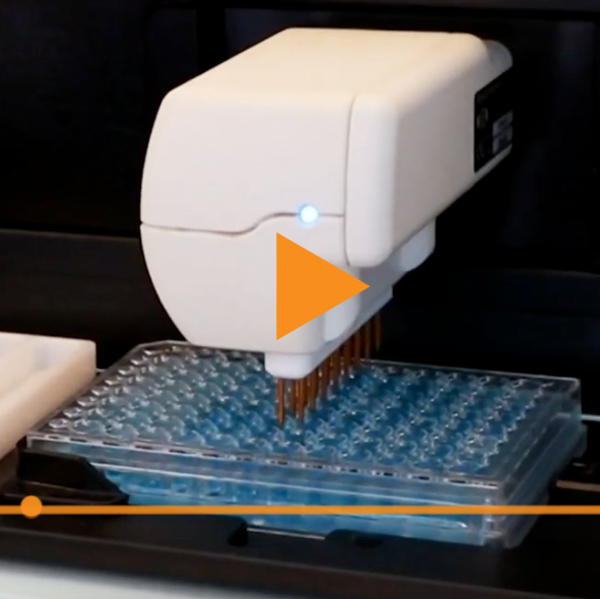
The EVOM™ Auto automates measurements of TEER in epithelial or endothelial monolayers cultured on 24-well or 96-well high throughput screening (HTS) plates utilizing our innovative EVOM technology, qualitatively measuring cell monolayer health and quantitatively measuring cellular confluence by reaching an increase or a plateau in tissue resistance. The autosampler has a 3-well rinse station for cleaning and stabilizing the electrodes. Now, sterile disposable rinse station inserts are available for your convenience. They fit over the 3-well base rinse station. You can simply throw out the disposable inserts with the solutions when you are changing plates. This short videos shows how easy they are to use.
- - July 04, 2024
The process of drug discovery and development is extremely slow and expensive. Regulatory authorities, such as US FDA need animal models to test absorption, distribution, metabolism, and excretion (ADME) which estimates safety and effectiveness of a drug.
- - June 05, 2024
Transepithelial Electrical Resistance (TEER) measurements play a vital role in assessing barrier function, tissue integrity, and cell-cell interactions in Organ-on-Chip (OoC) platforms. Measuring TEER by applying a small AC current across a monolayer of cells and measuring the resistance to that current, which provides valuable insights into the physiological relevance and functionality of in vitro models, enabling researchers to study organ-specific responses, disease mechanisms, and drug effects while cells are growing in a controlled microenvironment. This article will explore the applications of TEER in OoC set-ups, critical aspects to TEER measurements in microphysiological systems, and challenges and limitations that must be overcome to fully realize the potential of this technology for OoC platforms.
- - May 07, 2024
Cell therapies have revolutionized the field of regenerative medicine, offering promising treatments for a variety of medical conditions. Maintaining the safety, efficacy, and consistency of cell-based therapies is paramount for their successful application in clinical settings. Quality control measures play a vital role in evaluating the quality of these therapies, from development to administration. This article explores the current approaches to quality control in cell therapies, including the utilization of functional measurement techniques such as transepithelial electrical resistance (TEER), to ensure the quality and safety of these promising treatments.
- - May 03, 2024
Transepithelial electrical resistance (TEER) has emerged as a powerful tool in ophthalmology research and has become a standard method for study of retinal pigment epithelial (RPE) cell biology and the development of these cells as a therapeutic for retinal diseases such as Age-Related Macular Degeneration (AMD). The application of TEER in assessing the barrier function and integrity of RPE cell layers has significantly advanced our understanding of retinal diseases and paved the way for innovative therapeutic interventions including some of the most promising cell therapies to date. This article explores the use of TEER in ophthalmology research, with a focus on studies utilizing RPE cells for both research and clinical applications.
- - April 09, 2024
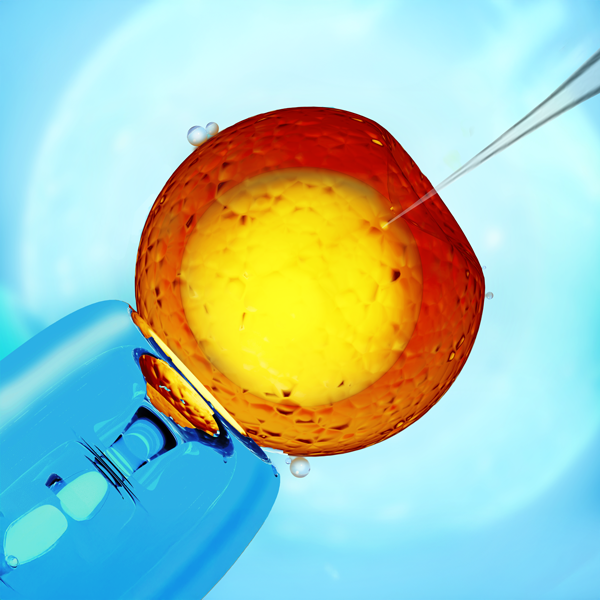
It has been found that transgenesis of vectors using Tol2 or other transposon-based systems promote stable expression. A standard pressure-based microinjection approach presents greater reliability, precision, and overall control when delivering material to embryos, often preferred over electroporation in zebrafish studies.
- - February 22, 2024
EVOM™ Auto, with both 24 and 96 HTS multiwell plate capability, is a high throughput screening (HTS) platform offering fast, noninvasive sample scanning by comparing electrical resistance measurements (transepithelial/transendothelial electrical resistance: TEER). TEER measurement experiments are simple to set up and less time consuming than more complex molecular studies. TEER measurement can be used as the primary scanning method to identify any physiological changes that can then be further evaluated by other methods. EVOM™ Auto can capture TEER measurements in 24 and 96 HTS multiwell plates from Corning, Millipore, or MatTek. The sample preparation time in these HTS plates is efficient, allowing for fast, multi-channel pipetting options.
The EVOM™ Auto autosampler ships with a red electrode array lock in place to prevent the electrode array connection port from moving during transit. Here you can see how to easily remove it without damaging the lock or the autosampler.
- - February 02, 2024
Choosing a dependable lab equipment supplier is crucial for ensuring the quality, reliability, and timely delivery of the equipment you require. When your research is on the line, you need a company you trust, a supplier with a proven track record and a service team to back you up. Here are a few important considerations when selecting a lab equipment supplier.
- - September 05, 2023
The EVOM™ Manual requires an electrode for use. Choose an electrode suitable for your application. Here's a matrix to help you choose an appropriate EVOM electrode.
- - May 02, 2023
The EVOM™ Auto automates measurements of TEER in epithelial or endothelial monolayers cultured on high throughput screening 96-well plates utilizing our innovative EVOM™ technology, qualitatively measuring cell monolayer health and quantitatively measuring cell confluence by determining an increase or a plateau in tissue resistance.
The video below shows details the features and functions of the Experiment window on the EVOM™ Auto:
- - April 27, 2023
The EVOM™ Auto automates measurements of TEER in epithelial or endothelial monolayers cultured on high throughput screening 96-well plates utilizing our innovative EVOM™ technology, qualitatively measuring cell monolayer health and quantitatively measuring cell confluence by determining an increase or a plateau in tissue resistance.
The video below shows you how to schedule an operation on the EVOM™ Auto:
- - April 25, 2023
The EVOM™ Auto automates measurements of TEER in epithelial or endothelial monolayers cultured on high throughput screening 96-well plates utilizing our innovative EVOM technology, qualitatively measuring cell monolayer health and quantitatively measuring cell confluence by determining an increase or a plateau in tissue resistance.
The video below shows you how to stabilize the electrode array on the EVOM™ Auto:
- - April 20, 2023
The EVOM™ Auto automates measurements of TEER in epithelial or endothelial monolayers cultured on high throughput screening 96-well plates utilizing our innovative EVOM™ technology, qualitatively measuring cell monolayer health and quantitatively measuring cell confluence by determining an increase or a plateau in tissue resistance.
The video below shows you how to chloride the electrode array on the EVOM™ Auto:

Recent Posts