Zebrafish
- - January 28, 2021
The system depicted includes components often favored by researchers:
- MICRO-ePUMP Pneumatic PicoPump with built in MICRO-ePORE™ Cell Penetrator to facilitate microinjections
- SU-P1000 Micropipette Puller
- M4C Stand
- M3301R Micromanipulator
- PZMTIII Microscope with Optional Lighted Base with Articulating Mirror and optional PRO-300 HDS Camera and View Screen
- E2XX Micropipette Storage Jar
- Z-MOLDS Microinjection and Transplantation Molds
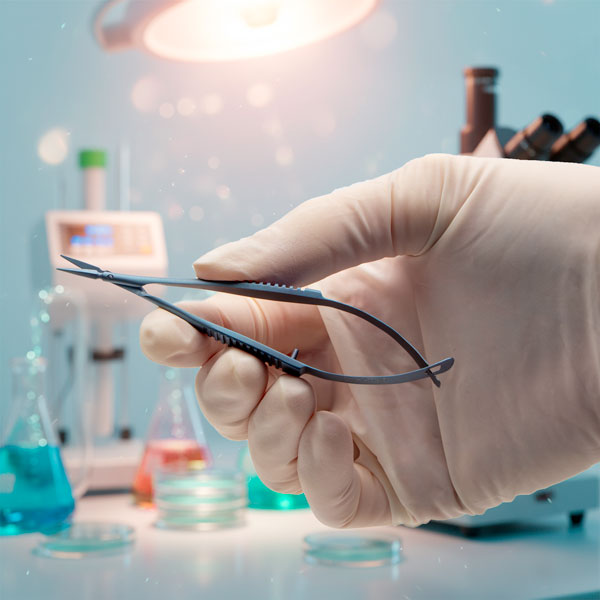
- 14003-G Vannas spring scissors
- Glass Capillaries
- 77020 Glass Tweezers
- FluoroDish Optical Grade Glass Bottom Culture Dishes
Whatever your needs, WPI offers a range of equipment to fill your requirements.
Empowering Scientists with Reliable Instruments
Serving scientists for over 50 years, WPI offers a variety of instruments for microinjection including pumps, pipetters, microscopes and more. One of our most popular pumps for microinjection is the PV850 Pneumatic PicoPump.
The PV850...more
- - January 27, 2021
World Precision Instruments (WPI) offers a broad range of research instruments for zebrafish (Danio Rerio) research, from the time the genetics of the subject are modified through the point where the physiological effects of the change are monitored. Whether researchers are performing microinjection or making cardiovascular measurements, the WPI product line includes instruments for research on oocytes, embryos, larvae and adult zebrafish.
Enhanced Microinjection Efficiency for Genetic Modification
The customizable Zebrafish Microinjection Toolbox includes components favored by researchers:
- MICRO-ePUMP Pressure Injector with built in MICRO-ePORE™ Cell Penetrator to facilitate microinjections
- SU-P1000 Micropipette Puller
- PZMTIII-MI/PZMIII-MI Trinocular or Binocular Microscope on lighted base with articulating mirror
- PRO-300HDS High Definition Camera and Monitoring System
- Accessories
The NANOLITER2020 Injector and the UMP3T-1 UltraMicroPump with SMARTouch Touchscreen Controller...more
- - September 07, 2020
[by Gabe Gonzalez]
The PV850 Injector is designed to simplify intracellular injection and a variety of other microinjection tasks. The PV850 uses regulated air pressure for injecting cells with fluid. Injected volumes range from picoliters to nanoliters. The port supplies positive pressure for high-pressure ejection maximum of 87 PSI. The PV850 Microinjector offers separate regulated compensation (back filling prevention) and ejection pressures with a precision timing circuit that switches from injection pressure to compensation pressure automatically. Timing, injection pressure and compensation pressure are adjusted independently using the intuitive touch-screen user interface. Time intervals can range from 2 seconds down to 10 ms or less, depending on the injection pressure setting. The injection pressure interval is triggered by using a foot switch, manually or a computer controlled TTL pulse. The PV850 is designed to inject very small quantities of fluids, such as drugs into cells...more
- - September 07, 2020
[by Gabe Gonzalez]
The PV850 Injector is designed to simplify intracellular injection and a variety of other microinjection tasks. The PV850 uses regulated air pressure for injecting cells with fluid. Injected volumes range from picoliters to nanoliters. The port supplies positive pressure for high-pressure ejection maximum of 8 7PSI. The PV850 Microinjector offers separate regulated compensation (back filling prevention) and ejection pressures with a precision timing circuit that switches from injection pressure to compensation pressure automatically. Timing, injection pressure and compensation pressure are adjusted independently using the intuitive touch-screen user interface. Time intervals can range from 2 seconds down to 10 ms or less, depending on the injection pressure setting. The injection pressure interval is triggered by using a foot switch, manually or a computer controlled TTL pulse. The PV850 is designed to inject very small quantities of fluids, such as drugs into cells...more
- - July 12, 2020
[by Alec Dickson]
Easy to Configure Using the SmartTouch Interface
The UMP3 UltraMicroPump is easy to configure using the SMARTouch interface. It is pre-programmed for popular microsyringes and allows for user-defined syringe parameters, too. This ensures nearly universal compatibility. You can control up to two pumps, either simultaneously or independently, and the optional foot switch means hands-free operation. You can instantly verify actual injection volume on the graphical display. You can even use the touch screen while wearing gloves.
Ensure Reliable Injections of Small Volumes
The extremely fine thread-pitch of the UMP3 drive shaft ensures reliable injections of small volumes. When you are using a 10-microliter syringe, this correlates to 0.58 nanoliters/step and injections are accurate down to 1 nanoliter. “Smooth” mode uses micro-steps and allows for a smoother injection, increasing the resolution eight-fold. “Standard” mode allows for higher torque, for viscous samples or...more
- - August 01, 2019
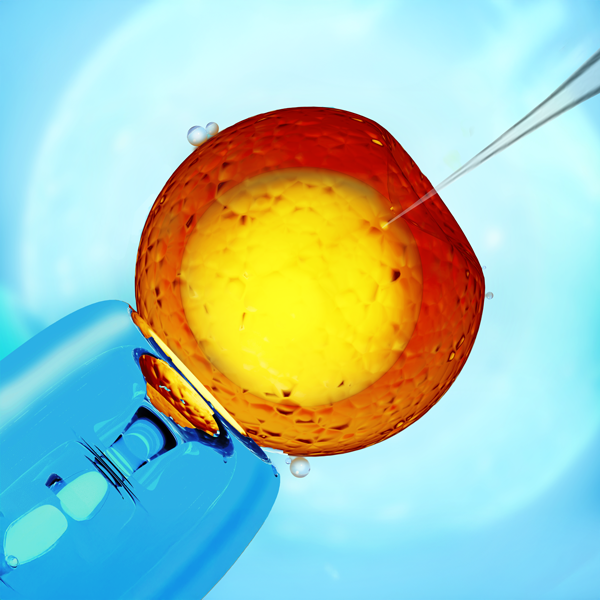
The new WPI MICRO-ePORE™ pinpoint cell penetrator is a simple and versatile system that can be used to facilitate microinjection of a diverse array of compounds and biomolecules into oocytes and pre-implantation stage mammalian embryos. Patent pending Flutter Electrode Technology assists in small, clean, precise membrane penetration without tearing or damaging the membrane. It results in substantially increased viability of embryos. In this quick video, Dr. Pelczar from the Center for Transgenic Models in Switzerland demonstrates the ease of cell penetration using the new MICRO-ePORE™.
Video footage courtesy of Dr. Pawel Pelczar, Head of CTM, University Basel, Switzerland, Center for Transgenic Models (CTM).
In this video UCLA graduate research student Fangtao Chi discusses the benefits of using the MICRO-ePORE™ for penetration of 2-cell stage embryos.
Video footage courtesy of Fangtao Chi, UCLA.
- - July 07, 2014
Watch how researchers from the University of Chicago inject adult zebrafish using a 10μl NanoFil microsyringe controlled by a Micro4 controller and UltraMicroPump III (UMP3-1 includes one UMP3 pump and a Micro4 controller).
References
Warmerdam, T., Schröder, F., Wit, H., & Albers, F. (n.d.). Perilymphatic and endolymphatic pressures during endolymphatic hydrops. European Archives of Oto-Rhino-Laryngology, 260(1), 9–11. http://doi.org/10.1007/s00405-002-0518-2
Wei, J., Song, J., Jiang, S., Zhang, G., Wheeler, D., Zhang, J., … Liu, R. (2017). Role of intratubular pressure during the ischemic phase in acute kidney injury. American Journal of Physiology - Renal Physiology, 312(6), F1158–F1165. http://doi.org/10.1152/ajprenal.00527.2016
Petrie, R. J., Koo, H., & Yamada, K. M. (2014). Generation of compartmentalized pressure by a nuclear piston governs cell motility in a 3D matrix. Science, 345(6200), 1062–1065. http://doi.org/10.1126/science.1256965
Petrie,...more - - June 24, 2014
Chiara Cianciolo Cosentino, at the University of Pittsburgh, describes how she uses intravenous microinjections of zebrafish larvae to study acute kidney injury in this JoVE video. You can also watch this video on JoVE. WPI equipment shown in this video includes:
- - August 22, 2013
Researchers at the University of Michigan are using WPI's PV820 for injecting a morpholino solution into the lumen of the otic vesicle of 1-day old zebrafish embryos. Then, they use electroporation to introduce mif and mif-like morpholinos into the developing inner ear tissues.
Check out the JOVE video to see:
- How to make electrodes for electroporation
- How to setup the electroporation
- How to inject the morpholinos
- Examine some of the results
References
JOVE video: Holmes, K. E., Wyatt, M. J., Shen, Y., Thompson, D. A., Barald, K. F. "Direct Delivery of MIF Morpholinos Into the Zebrafish Otocyst by Injection and Electroporation Affects Inner Ear Development". J. Vis. Exp. (47), e2466, doi:10.3791/2466 (2011).
Warmerdam, T., Schröder, F., Wit, H., & Albers, F. (n.d.). Perilymphatic and endolymphatic pressures during endolymphatic hydrops. European Archives of Oto-Rhino-Laryngology, 260(1), 9–11. http://doi.org/10.1007/s00405-002-0518-2
Wei,...more
Recent Posts