Page 28 - Blog
- - September 02, 2020
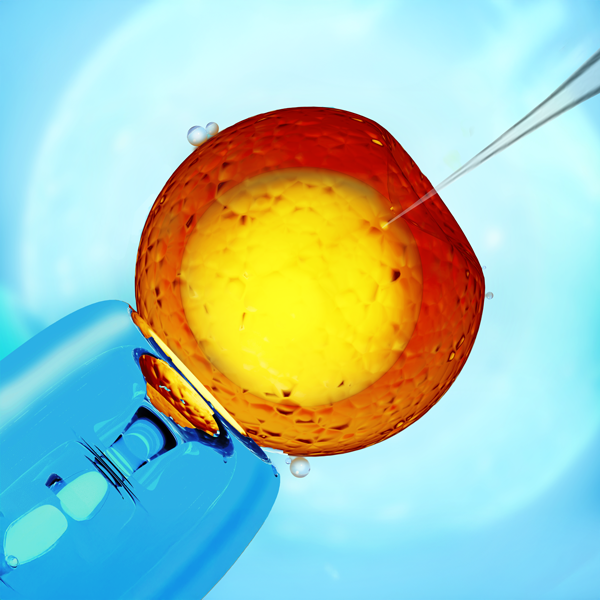
Designed to simplify intracellular injection and a variety of other microinjection tasks, WPI’s PicoPumps (PV830 and PV820) use precisely regulated pressures for securing cells and injecting them with fluid. Injected volumes range from picoliters to nanoliters. Separate ports supply positive and negative pressure—positive pressure for high-pressure ejection, and suction for supporting the cell or for filling the pipette from the tip. In this quick series, you can see how to setup a PicoPump.
1. What's Included with a PV Pump
In this first video (#1) you can see all the components of the system as they unpack the system.
2. Connecting Tubing on the PV830
In this video (#2) you see how to connect the hard tubing for both the pressure and the vacuum ports on the PV830. The PicoPumps use quick connectors. Push the tubing in to install it, and press the blue collar and pull on the tubing to remove it from the quick connector.
3. Setting Hold Pressure on a PicoPump...more
-
- - July 12, 2020
[by Alec Dickson]
Easy to Configure Using the SmartTouch Interface
The UMP3 UltraMicroPump is easy to configure using the SMARTouch interface. It is pre-programmed for popular microsyringes and allows for user-defined syringe parameters, too. This ensures nearly universal compatibility. You can control up to two pumps, either simultaneously or independently, and the optional foot switch means hands-free operation. You can instantly verify actual injection volume on the graphical display. You can even use the touch screen while wearing gloves.
Ensure Reliable Injections of Small Volumes
The extremely fine thread-pitch of the UMP3 drive shaft ensures reliable injections of small volumes. When you are using a 10-microliter syringe, this correlates to 0.58 nanoliters/step and injections are accurate down to 1 nanoliter. “Smooth” mode uses micro-steps and allows for a smoother injection, increasing the resolution eight-fold. “Standard” mode allows for higher torque, for viscous samples or...more
- - June 15, 2020
[by Alec Dickson]
WPI's FluoroDish™ tissue culture dishes provide exceptional imaging quality for many applications requiring the use of inverted microscopes such as high-resolution image analysis, microinjection and electrophysical recording of fluorescent-tagged cells. We have a 50 mm diameter dish and two types of 35 mm diameter dishes.
Better Optical Properties than PolycarbonateEach WPI dish has a flat (0.17mm±0.01mm thick), optical quality glass bottom, allowing the use of a much shorter working distance, larger numerical aperture (NA) and higher magnification (up to 100X). The larger NA and higher magnification provide superior quality imaging for both classical and fluorescence microscopy. Higher effective NA yields brighter images for fluorescence and higher resolution in image analysis.
The glass bottom does not fluoresce like plastic culture dishes. The lack of autofluorescence ensures a lower background signal in the fluorescence measurements. That means you can discern...more
- - June 14, 2020
[by Tiana Riggi]
UV/VIS/NIR absorbance spectroscopy is governed by Beer's Law, where the absorbance signal is proportional to chemical concentration, light path length and the compound’s specific molar absorption coefficient. Typical optical pathlengths of cuvettes and flow cells are between 0.1 cm and 10 cm. Longer pathlengths are difficult to achieve due to mechanical constraints. WPI solved this problem with the LWCC Liquid Waveguide Capillary Cells. LWCCs are fiber optic flow cells that combine an increased optical pathlength range from 10–500 cm with small sample volumes ranging from 2.4 µL to about 3 mL. Compared with a standard 1 cm cell you can expect to achieve a 10-500 fold increase in sensitivity.
Give us a call today to discuss your application.
(866)606-1974 toll-free in the USA
- - June 08, 2020
When using a TBR Free Radical Analyzer, accurate measurements of an analyte requires an accurate calibration. The calibration of nitric oxide, hydrogen peroxide and hydrogen sulfide sensors is similar. WPI oxygen and glucose sensors require different methods which will not be discussed here.
- - May 20, 2020
[by Tiana Ruchti]
When you have exact specifications for your fiber optic assemblies, WPI delivers with proprietary qualified optical fibers designed by in-house optical engineers. You can count on superior performance from WPI's spectroscopy products and the published research scientists who design them. When you depend on reliable data for your discoveries, consider WPI's German Optics Department for qualified optical fiber and assemblies.
Here we discuss the process for submitting a request for an optical fiber to match your needs using the WPI optical fiber selection guide. There are five steps.
...more1. Select your fiber material. You will see in the two charts that there are seven fiber materials available. Two of them are exclusive and new to WPI. Once you’ve discovered what spectral range you are working on and the numerical aperture (NA) that you will need, select the fiber material. 2. Select the style of the optical fiber. To simplify the process, we only show a couple. - - May 14, 2020
The NEW EVOM3 Epithelial Volt/Ohm Meter delivers improved workflow efficiency, increased stability and more repeatable measurements than traditional Trans Epithelial Electrical Resistance (TEER) meters. Here are seven things you will love about the new EVOM3.
- - May 14, 2020
The UltraMicroPump3 is a versatile microinjection syringe pump designed to support the needs of a busy lab. The UMP3 Microinjector is suitable for delivery of media from nanoliters to milliliters. the UMP3 injecotor’s user interface and system design enables delivery of highly accurate and repeatable injections. The choice for thousands of scientists, it is widely cited in research papers.
Intuitive Touchscreen Display for Easy SetupThe SMARTouch controller has an intuitive touch screen interface and an easy-to-use menu for quick configuration of the syringe size, volumes and flow rates. The total system calibration is designed to eliminate human errors and reduce experimental processing time. Configuration can be saved and subsequently imported as a script via the USB port.
Control 2 Injectors Simultaneously
The SMARTouch controller can independently control two microinjection syringe pumps (microinjectors) simultaneously, providing complete freedom in the experimental procedures...more
- - April 12, 2020
Epithelial and endothelial cells are known for their barrier function like selective permeability. Lung tissue is comprised of epithelial cellular layers, residing adjacent to endothelial layers and allowing exchange of oxygen and carbon dioxide between lung and blood. Currently, the biomedical research community’s major focus area is to understand the details of the infection caused by this novel coronavirus (2019-nCoV) or by similar viruses. This new virus can disrupt the lung’s normal cleaning ability to get rid of foreign particles in the lung, and the selective permeability or barrier function of the lung may become severely impaired. The adverse physiological effect may be sustained once the inflammatory cascade is initiated.

Recent Posts