Page 29 - Blog
- - April 09, 2020
Do you need a precision microinjector with an integrated pressure source for injections in the picoliter range? WPI’s new MICRO-ePUMP, which is comparable to the Ependorf Femtojet, is a portable solution for injecting DNA, RNA and proteins, as well as pre- and post- implantation in embryos. Whether you are doing disease modeling with zebrafish or viral research for SARS-CoV2, the MICRO-ePUMP has much to offer. Here are eight good reasons to choose the MICRO-ePUMP for your applications.- Convenient internal pressure source
The convenient internal pressure source is designed to simplify intracellular injection. With the carefully regulated internal pressure source, there is no need of an external air supply. - Intuitive User Interface
The touchscreen with simplified user interface and one button controller makes it easy for you to change parameters according to the microinjection application. You can navigate through the options and parameters easily with touch screen and single control...more
- Convenient internal pressure source
- - March 01, 2020
With the first approved human gene therapy trial in 19891 (Rosenberg, et.al.), gene therapy has come a long way in modern medicine and is making inroads in clinics and the market in general.2,3 2017 was an important year for gene therapy when Luxurna, the first human gene therapy drug for an inherited retinal dystrophy, was approved by Food and Drug Administration (USA).4 Now several drugs are undergoing clinical trials. With an estimated $11 billion (USD) market in the next 10 years, both clinical trials and the pharmaceutical industry are expected to benefit immensely from gene therapy.5
With improved use of viral vectors (Adeno-associated virus (AAV), adenovirus, lentivirus, retrovirus, HSV) or non-viral vectors, research and clinical trials on the development of therapeutic genes have witnessed great success. Viral vectors have been employed for the treatment of various diseases such as metabolic, cardiovascular, muscular, hematologic, ophthalmologic and infectious diseases and...more
- - February 24, 2020
Nitric oxide (NO) is an essential signaling molecule and is known to play a significant role in a multitude of physiological systems including the central nervous system (CNS), the cardiovascular system, the gastrointestinal tract, the immune system, and the renal system. 1-5 However, being highly reactive, detection and quantification of NO is very difficult.6,7 It requires a sensor that is sensitive, selective to NO, and easy to calibrate.
WPI’s Free Radical Analyzer (4-channel TBR4100 and single-channel TBR1025) and the LabTrax Data Acquisition System with the options of using nano NO sensors, micro NO sensors, flexible micro sensors, and macro nitric oxide sensors enable amperometric (electrical based) detection of NO dissolved in liquids.
Features & Benefits of the Free Radical Analyzer and Nitric Oxide Detection System
- Rapid response time: < 5 sec enhances detection capability of the highly reactive, short-lived NO molecules
- High sensitivity: ≤2 pA/nM – enables detection...more
- - January 23, 2020
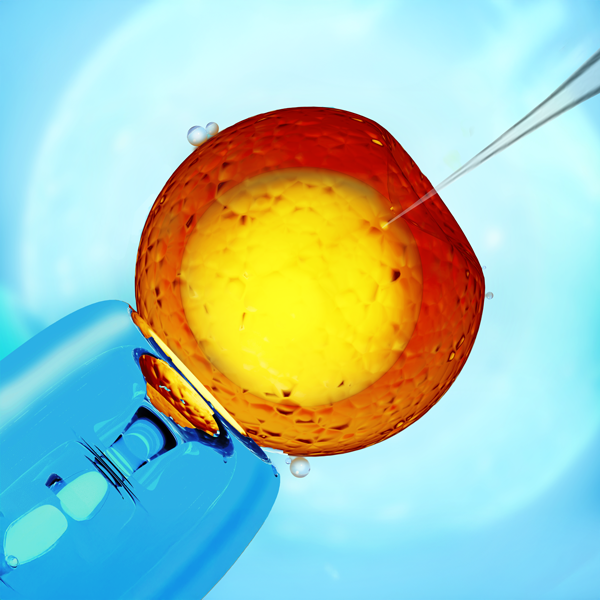
Microinjection is the process of transferring genetic materials into a living cell using glass micropipettes or metal microinjection needles. Glass micropipettes can be of various sizes with tip diameters ranging from 0.1 to 10 µm. DNA or RNA is injected directly into the cell’s nucleus. Microinjection has been successfully used with large frog eggs, mammalian cells, mammalian embryos, plants and tissues. Microinjection has been expensive, can be a slow process and requires skilled personnel, but new technologies are making it even more reliable, repeatable and affordable.
Pronuclear injection, inserting DNA or RNA into the nucleus of a fertilized oocyte to create transgenic organisms, lets researchers study the role of particular genes. This horizontal gene transfer can insert genetic material from the same species or a different one. When using genetic material from different species, a chimera is created. If the genetic material is NOT integrated into the genome of the offspring, it...more
- - December 19, 2019
The purpose of this article is to describe a new cleaning procedure for thoroughly cleaning WPI flowcells, including Liquid Waveguide Capillary Cells (LWCCs), UltraPath flowcells and optical cuvettes. The image (right) shows a 3000 series LWCC with a MiniStar pump and the LWCC injection system placed on top of it.
Preparation of Chemicals
All chemical reagents should be of at least ACS-Grade, preferably HPLC-Grade. This procedure involves the use of caustic and flammable reagents. Consult the manufacturer’s MSDS for necessary safety precautions.
Cleaning Solution #1:
0.5M Potassium Hydroxide in 100% Ethanol (e.g.: 7 g KOH in 250mL EtOH). After thoroughly mixing, filter the solution through a 20µm pore size filter.
Cleaning Solution #2:
100% Methanol, HPLC grade
Cleaning Solution #3:
Ultrapure water, Type I per ASTM D1193-99 or equivalent
NOTE: Grade 1 ultrapure water per ISO 3696 differs significantly from the above classification.
Cleaning Procedure
The preferred method of cleaning...more - - September 11, 2019
Researchers around the globe trust WPI products. Here are a few who have shared glimpses into their research areas.
- - September 05, 2019
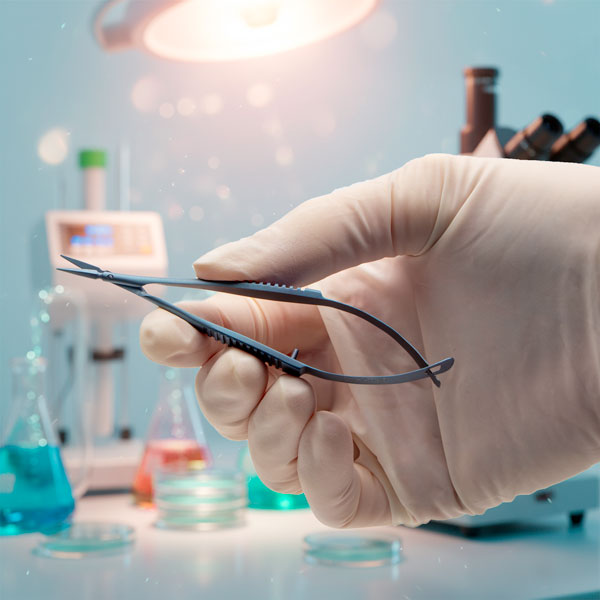
Benefits of Black Coated Surgical Instruments
Black coated surgical instruments are not only visually more attractive than the stainless-steel ones, there are several other benefits as provided below:
- Non-reflective surface reduces eye-fatigue
- Has prolonged life
- Up to 10 times harder than stainless steel
- 60% lower wear rate than stainless steel
- Corrosion resistant due to oxidized aluminum coating
- Anti-allergic due to the absence of Chromium and Nickel coating
- Easy to clean
Making of Black Coating Instruments
The black coatings are created by applying a layer of Titanium Aluminum Nitrate (TiAIN) to the instrument, using an environmentally friendly Physical Vapor Deposition (PVD) process.
In this process Titanium and Aluminum are magnetron-sputtered onto the substrate in a vacuum chamber. The metal particles of the target are transformed into vapor phase, they interact with Nitrogen ions and get deposited onto the instrument as a few microns (µm) thin, high-density layer.
Oxidized...more
- - August 08, 2019
Whether you are working with your surgical instruments under bright lights or using a microscope, non-reflective black surgical instruments offer a distinct advantage. The titanium coating not only hardens and protects the cutting edge, but it also minimizes reflection from the surface of your instruments while you are working. They are corrosion resistant and biocompatible.
- - August 01, 2019
The new WPI MICRO-ePORE™ pinpoint cell penetrator is a simple and versatile system that can be used to facilitate microinjection of a diverse array of compounds and biomolecules into oocytes and pre-implantation stage mammalian embryos. Patent pending Flutter Electrode Technology assists in small, clean, precise membrane penetration without tearing or damaging the membrane. It results in substantially increased viability of embryos. In this quick video, Dr. Pelczar from the Center for Transgenic Models in Switzerland demonstrates the ease of cell penetration using the new MICRO-ePORE™.
Video footage courtesy of Dr. Pawel Pelczar, Head of CTM, University Basel, Switzerland, Center for Transgenic Models (CTM).
In this video UCLA graduate research student Fangtao Chi discusses the benefits of using the MICRO-ePORE™ for penetration of 2-cell stage embryos.
Video footage courtesy of Fangtao Chi, UCLA.
- - July 21, 2019
WPI offers custom fiber optic cables and assemblies. This video show how to create a custom ordering code to designate what you need. If you have any questions about ordering Fiber Optic Cables and Assemblies for your laboratory or application, just give us a call (866-606-1974) or email us at wpi@wpiinc.com.

Recent Posts