Page 3 - Blog
- - June 12, 2025
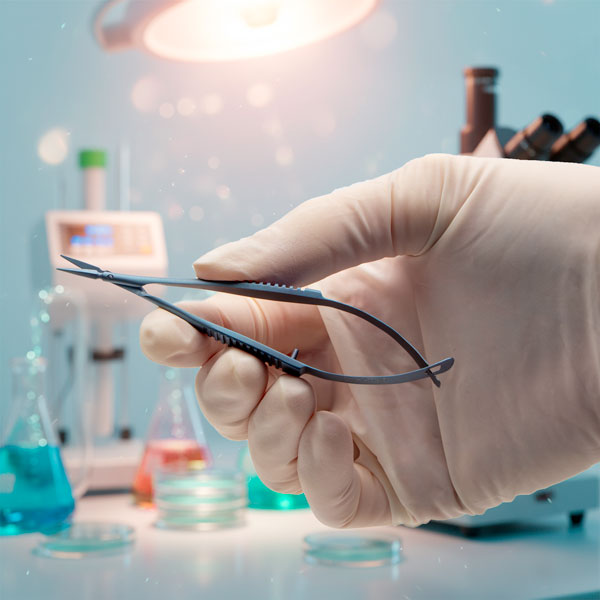
Thumb forceps, the pinch-style instruments used in labs, cleanrooms, surgical suites, workshops, and even jewelry studios, are essential precision tools. Whether you’re handling tissue, adjusting tiny components, or manipulating delicate materials, keeping these instruments in top condition is key to both performance and longevity. Here are six tips to keep your thumb forceps in peak condition.
- - June 11, 2025
World Precision Instruments (WPI), the global leader in transepithelial electrical resistance (TEER) technology, in collaboration with SynVivo, a leader in organ-on-chip (OOC) solutions, is proud to announce the launch of the EVOMTM Chip – a revolutionary multiplex TEER system designed specifically for real-time, non-destructive monitoring of OOC platforms.
Co-developed to support SynVivo’s state-of-the-art Blood-Brain Barrier (BBB) OOC model, the EVOM™ Chip enables on-chip, multiplex TEER measurements with embedded electrodes. This innovation allows researchers and drug developers to continuously monitor up to 12 OOCs for barrier integrity while simultaneously enabling fluidics and imaging, offering hands-free operation with enhanced accuracy, precision, and reproducibility.
- - June 09, 2025
In the world of cell culture, the substrate matters. For many anchorage-dependent cells, simply providing a surface isn’t enough. These cells need biological cues that replicate the natural environment of the body to adhere and grow properly. That’s why surface coating of the substrate plays a vital role in the in vitro cell culture for biomimicry in vivo conditions,
In most tissues inside the body, cells normally stay anchored to extracellular matrix (ECM), a porous network of secreted proteins and proteoglycans. The ECM provides structural support to tissues in vivo and helps in retaining secretory factors, such as growth factors which can regulate cell behavior and function through receptor mediated cell signaling. Collagen is one of the most abundant structural proteins in connective tissues and a major component of the ECM. In vitro, it serves as a powerful coating option to promote cell adhesion, spreading, and function, particularly in sensitive or primary cell types. WPI offers...more
- - June 02, 2025
WPI at the 4th MPS World Summit in Brussels
We’re excited to announce that WPI will be exhibiting at the 4th Microphysiological Systems (MPS) World Summit, taking place June 9–13, 2025 in Brussels, Belgium. This globally recognized event brings together pioneers, innovators, and emerging voices in the field of organ-on-a-chip technologies. The MPS World Summit is a cornerstone for building an international community around microphysiological systems—bioengineered platforms that replicate organ structure and function in vitro. These systems, powered by advances in stem cell technologies and biomaterials, offer human-relevant models that are transforming biomedical research, drug development, and toxicology testing.
Co-organized by EUROoCS and supported by over 40 global institutions, the summit promotes the exchange of ideas, showcases cutting-edge science, and fosters collaboration across disciplines. Whether you're an established researcher or newly exploring the potential of MPS, this...more
- - May 30, 2025
When working with gas-tight NanoFil™ syringes, especially in applications involving viral vectors or delicate biological samples, priming your syringe correctly is essential to ensure reliable and accurate sample delivery. Even microscopic air pockets can lead to inconsistent dosing or air injection, which can be detrimental in high-precision workflows. Here's a step-by-step guide to priming your NanoFil™ syringe system effectively.
- - May 29, 2025
In any successful cell culture experiment, the story starts at the surface. Whether you're working with primary neurons, stem cells, or epithelial monolayers, anchorage-dependent cells rely on the substrate beneath them to survive, adhere, and thrive. The chemical and biological cues provided by the surface can dramatically influence cell morphology, proliferation, differentiation, and even gene expression.
That’s why surface coatings on cell culture dishes plays a critical role in mammalian cell culture-based research. From naturally derived proteins like collagen, fibronectin, and vitronectin to synthetic compounds such as poly-D-lysine (PDL) and poly-L-lysine (PLL), these treatments transform plain cultureware into biologically active environments. The right coating not only supports attachment, but it can help to maintain normal cellular morphology and guide the cell fate. Anchorage dependent cells, when unable to find appropriate surface to adhere to, can undergo programmed or unprogrammed...more
- - May 28, 2025
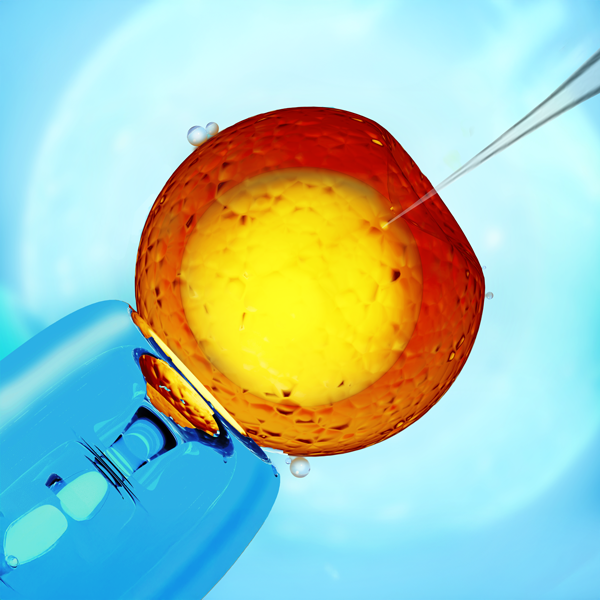
At WPI, we know precision and ease of use matter, especially when you're handling microinjections at the smallest scales. That’s why we’ve created a quick unboxing and setup guide to help you hit the ground running with your new NanoFil™ gas-tight syringe system.
Whether you're new to NanoFil™ or just want a refresher on what's included and how to get started, this article walks you through everything you need to know.
- - May 16, 2025
In barrier model research, the integrity of your cell monolayers isn’t just important—it’s everything. Whether you're studying epithelial transport, drug permeability, or disease modeling, your ability to trust your data hinges on the health of your cultures. That’s why so many researchers rely on Transendothelial/Transepithelial Electrical Resistance (TEER) as a simple, non-invasive, real-time quantitative evaluation of the integrity of your cellular barrier.
- - May 08, 2025
Transepithelial/Transendothelial Electrical Resistance (TEER) is a widely used quantitative technique to assess the integrity of tight junctions in cell monolayers. WPI’s EVOM™ is the gold standard for TEER measurement and is particularly valuable in studies involving drug transport, toxicology, inflammation, and organ-on-chip systems. TEER measurement provides fast and quantitative data and can be used as an efficient and cost-effective method for drug discovery and development. There are certain biological and technical factors that are known to affect TEER readings. This article reviews the key variables that influence TEER outcomes in cell culture studies and how to ensure consistent TEER measurement analysis can be done by minimizing or eliminating the effects of these factors.
- - May 05, 2025
Whether you're conducting patch-clamp recordings, microinjections, or other high-precision tasks under a microscope, the right micromanipulator can make all the difference. At WPI, we offer a full range of manual and motorized micromanipulators designed to support both routine lab work and complex experimental setups. But which one is the best fit for your needs? Here’s a closer look at the key differences, features, and benefits of each.

Recent Posts